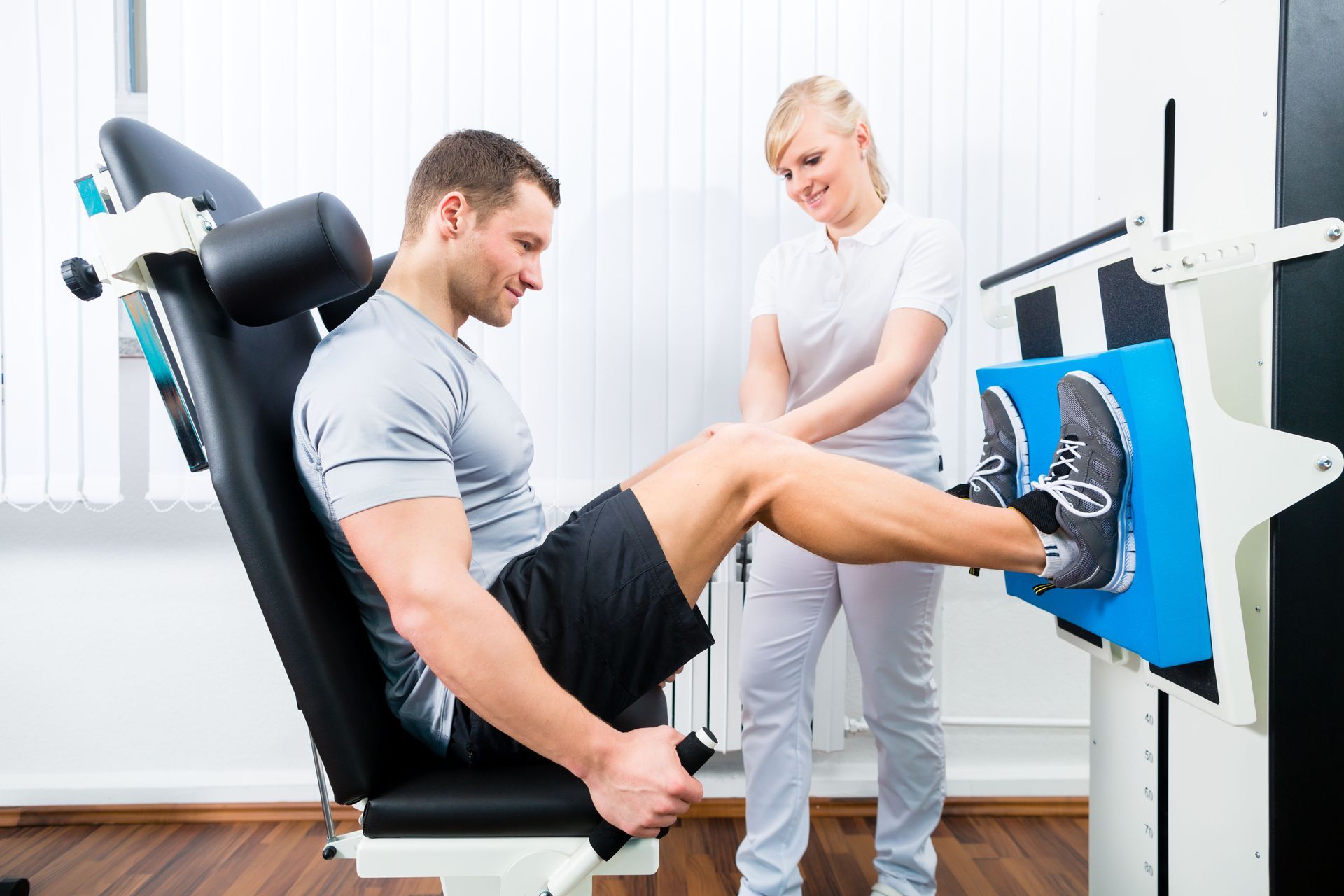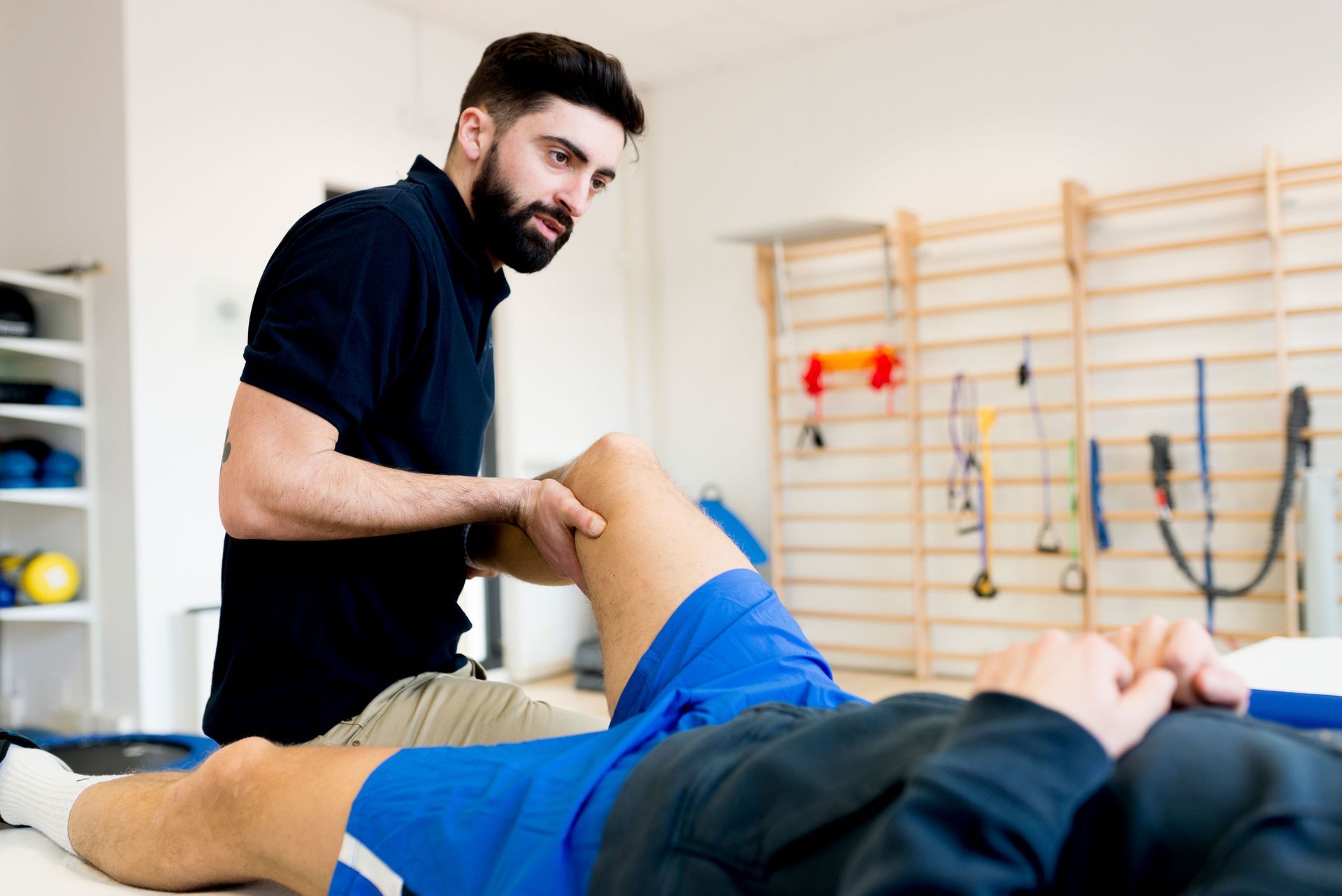
The growing awareness around health and wellness has placed physical therapy services at the forefront of holistic health care. As both a preventive and rehabilitative discipline, physical therapy addresses a wide range of health concerns, from reducing pain to improving mobility. For individuals managing chronic conditions or recovering from injuries, having access to the right therapy can significantly impact their quality of life. It is crucial for communities to understand and utilize local physical therapy services to ensure better health outcomes and enhance overall community well-being. This awareness not only fosters individual recovery but also strengthens the fabric of localized health networks.
Access to Personalized Care
Understanding Individual Health Needs
Personalized care in physical therapy focuses on tailoring treatment plans to meet individual health needs. Each patient presents unique health challenges, whether they stem from a sports injury, surgery, or chronic condition.
Understanding these specific needs allows therapists to create targeted interventions that yield better results. This approach ensures that treatments are safe, effective, and directly address the root causes of issues, rather than just symptoms. As patients engage with local therapists, their feedback and health progress become critical aspects of modifying and improving their care plans.
Building a Relationship with Local Therapists
Establishing a strong patient-therapist relationship is a pivotal element of successful physical therapy. Local therapists often have a vested interest in the community and are familiar with the common health concerns within it. This familiarity allows for more efficient and empathetic care, as therapists are likely to be more attuned to the social and environmental factors affecting their patients. Trust and open communication build over time, enhancing the patient's comfort and adherence to the therapy regimen. The continuity of care that stems from these relationships contributes significantly to recovery success rates.
The Role of Customized Treatment Plans
Customized treatment plans are essential for addressing the specific health needs of each patient. By focusing on personalized goals, therapists can better assess what combination of therapies will produce optimal results. This tailored approach reduces the trial-and-error that often accompanies generalized treatment protocols. Patients participating in customized plans are more likely to experience engagement and commitment to their therapy process.
According to SPRY, 79% of patients report substantial pain reduction after completing their prescribed program, showcasing the effectiveness of well-customized strategies.
Seamless Communication for Better Outcomes
Effective communication between therapists and patients is critical for achieving desired health outcomes. It ensures that patients understand their treatment plans, including exercises and precautions needed for an effective recovery. Frequent updates and conversations about progress can identify potential issues early, allowing for timely adjustments. Having access to local therapists enables more accessible and direct communication channels. This reduces misunderstandings and increases the efficiency and success of therapy interventions.
Adapting to Lifestyle Changes
Physical therapy often requires patients to make significant lifestyle adjustments, and local therapists are uniquely equipped to facilitate these changes. They provide guidance on integrating new habits into their clients’ daily routines, which is often challenging without professional support.
Understanding local lifestyle nuances allows therapists to suggest modifications that are practical and sustainable. As patients adopt these changes, they are likely to enjoy long-term improvements in health and well-being. This adaptability is critical for maintaining the gains achieved through therapy.
Convenience and Accessibility
The Role of Proximity in Therapy Access
Proximity to physical therapy services plays a significant role in the patient's access and commitment to their care plans. Local clinics make it easy for individuals to attend regular appointments without the burden of long travel times. This accessibility encourages patients to adhere strictly to their therapy schedules, reducing the risk of skipped sessions that could impair progress.
Having a facility nearby also means quicker access to essential resources in times of need. Proximity translates into sustained motivation and better health outcomes due to continuity and consistency in care.
Reduced Travel Time and Costs
Choosing local physical therapy services can significantly reduce both travel time and associated costs for patients. This is essential, as the extra time and expenses involved in distant therapy services can be a deterrent for regular visits. Local options eliminate the need for long commutes, allowing patients to focus their energy on recovery rather than logistics. The financial savings from minimized travel expenses can also be redirected towards supplementary treatments or health products. Ultimately, local services contribute to a less stressful and more financially manageable recovery journey.
Flexible Appointment Scheduling
Local physical therapy services often offer more flexible appointment scheduling to accommodate the varying needs of their community. This flexibility is crucial for individuals managing busy personal or professional lives. With services close by, patients can more easily fit therapy sessions into their daily routines without significant disruption. Timely and convenient appointments prevent the unnecessary gap between therapy sessions, maintaining therapeutic momentum. Such conditions improve compliance and increase the likelihood of achieving health goals efficiently.
Emergency Support and Quick Response
Local physical therapists are well-positioned to provide quick responses and emergency support when needed. Immediate access to professional assistance can make a critical difference in urgent situations. Knowing that help is just a short distance away provides peace of mind and encourages continuity in therapy. In scenarios where sudden pain or mobility issues arise, quick intervention can prevent further complications and facilitate faster recovery. Local services thus offer a security net for managing the unpredictabilities of health care needs.
Awareness of Specialized Services
Identifying Specializations and Expertise
Awareness of specialized services offered by local physical therapy clinics is invaluable in making informed health care choices. Different therapists may provide expertise in specific areas, such as sports injuries or neurological conditions. Identifying these specializations helps patients select the precise care needed for their particular issues. Local awareness campaigns and informational resources can aid in matching patient needs with provider capabilities. This harmonization between need and expertise is crucial for effective and focused therapeutic interventions.
Unique Programs for Different Conditions
Local therapy services often develop unique programs tailored to address various conditions effectively. These programs incorporate specialized exercises, techniques, and equipment that are best suited for different health challenges. Local initiatives might offer innovative therapies not available in standard or non-specialized centers. Knowing these options allows patients to make guided decisions that align their condition management with cutting-edge practices. This tailoring ensures that treatments are both innovative and grounded in the latest therapy research.
Access to Advanced Techniques and Equipment
Patrons of local physical therapy services can gain access to advanced techniques and equipment not commonly available in more generic settings. Investment in state-of-the-art technology demonstrates a commitment to delivering high-quality care and making substantial recoveries. Access to the latest therapeutic modalities enhances the effectiveness of treatment plans, directly benefiting patient recovery rates. Continued professional development within local facilities means communities enjoy forward-thinking health solutions without the need to travel. This access marks a significant advantage and underscores the importance of knowledgeable local therapy engagement.
Options for Pediatric to Geriatric Care
Local physical therapy services cater to diverse age groups, providing specific options for pediatric through geriatric care. Specialized age-appropriate techniques ensure that treatments accommodate the unique needs of each developmental stage. Family-oriented services allow for comprehensive care within the same facility, simplifying logistics and maintaining consistency.
Knowing local therapists who understand developmental nuances fosters trust and comfort across generations. This range in specialized care supports lifelong health and wellness within communities.
In conclusion, understanding and engaging with local physical therapy services offer numerous benefits that promote individual health, community engagement, and economic vitality. Through personalized care, increased accessibility, and collaboration within the local health network, residents can experience enhanced health outcomes and overall quality of life. This knowledge empowers communities, ensuring that continued contributions to localized health infrastructure benefit everyone. As communities become more informed and involved with local therapy options, they foster environments that prioritize health resilience and comprehensive well-being. Awareness and utilization of these services are vital steps toward sustaining a thriving, health-conscious society. Reach out to Back in Action Rehab SC today to see how we can help you!