Sports rehabilitation is a dynamic field designed to help athletes recover from injuries while enhancing overall performance. Sports rehab services combine evidence-based medical approaches, exercise science, and psychological strategies to create individualized recovery plans. Whether an athlete is recovering from a sprain, strain, or more complex injury, these services provide a structured framework for regaining strength, mobility, and confidence. Understanding the techniques used in sports rehab can benefit both athletes and healthcare professionals, ensuring optimal outcomes across all levels of competition.
From hands-on manual therapies to advanced exercise programs, modalities, neuromuscular retraining, psychological support, and lifestyle guidance, sports rehab addresses both the physical and mental aspects of recovery. These services foster resilience, prevent re-injury, and enhance athletic performance. By integrating multiple approaches, athletes receive comprehensive care that supports not only immediate recovery but also long-term health and performance.
Implement Manual Therapy Techniques
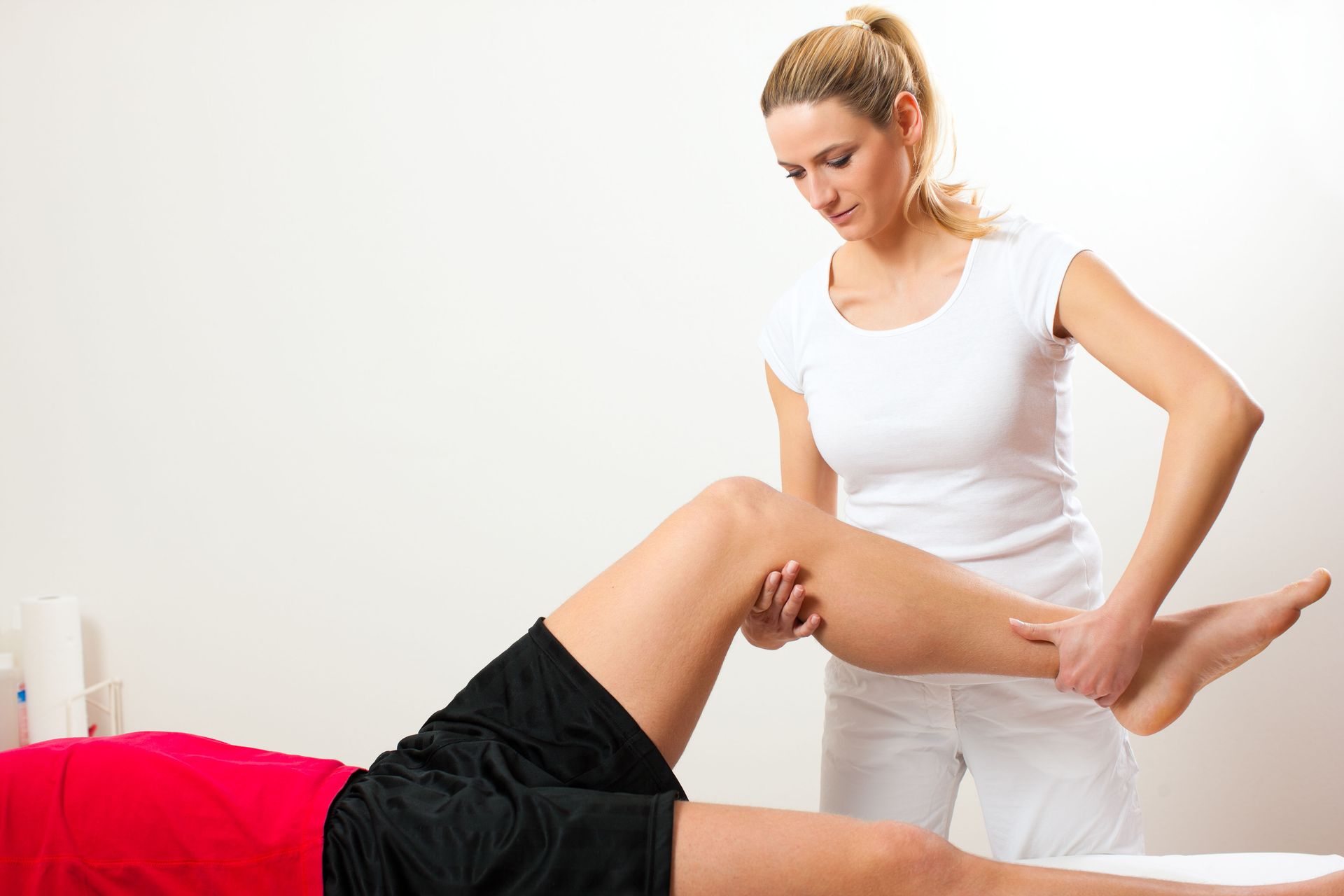
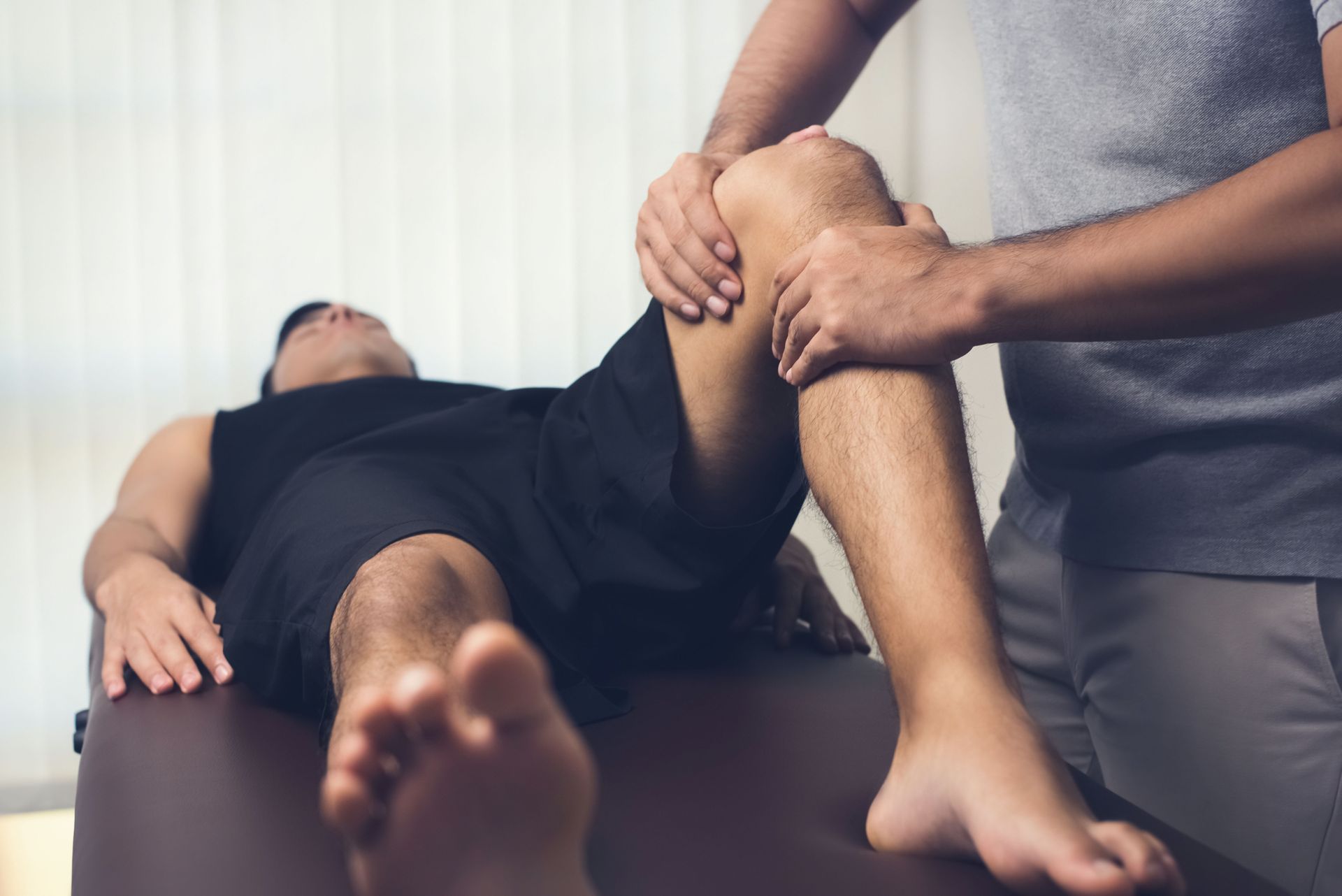
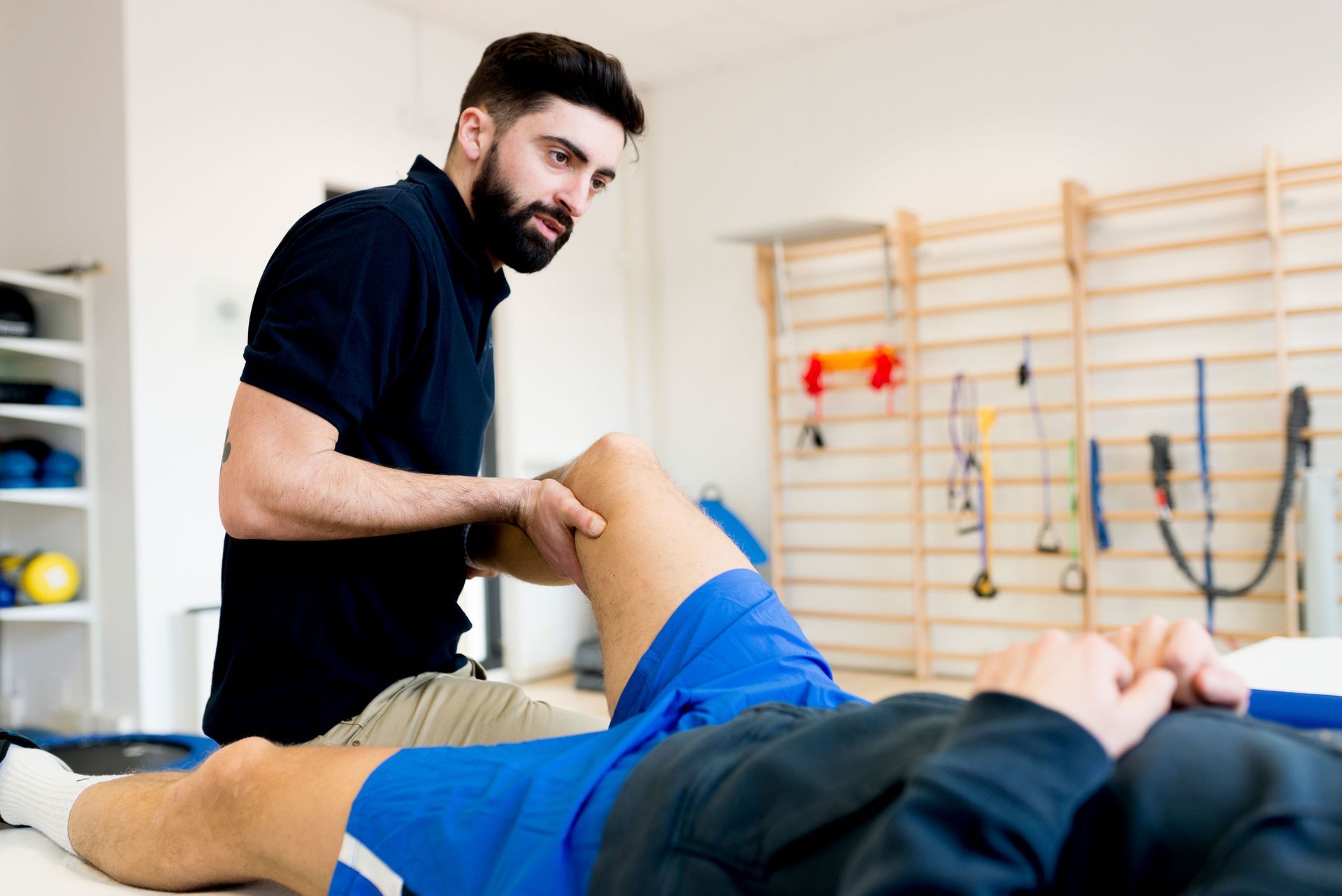
Manual therapy techniques are a cornerstone of sports rehab services, focusing on hands-on methods to alleviate pain, restore function, and enhance flexibility. Soft tissue mobilization is frequently applied to improve circulation, reduce scar tissue, and loosen tight muscles, which is particularly helpful for athletes recovering from muscle strains and sprains. Joint manipulation targets joints with restricted mobility, helping restore the normal range of motion and movement efficiency. Myofascial release relieves tension in the fascia, reducing discomfort and promoting flexibility.
Trigger point therapy identifies hypersensitive areas in muscles that can refer pain to other regions. By applying precise pressure, therapists deactivate these points, restoring muscle function. Pain modulation techniques, often integrated with other manual therapies, reduce ongoing discomfort and support long-term recovery. According to PR Newswire, with more than 400,000 professionals in the field, physical therapy remains a critical part of the U.S. healthcare workforce, reflecting the extensive expertise available in supporting athletes through sports rehab. Overall, manual therapy techniques provide the foundation for tailored treatment plans that address specific injury needs and support optimal recovery outcomes.
Develop Exercise-Based Rehabilitation Programs
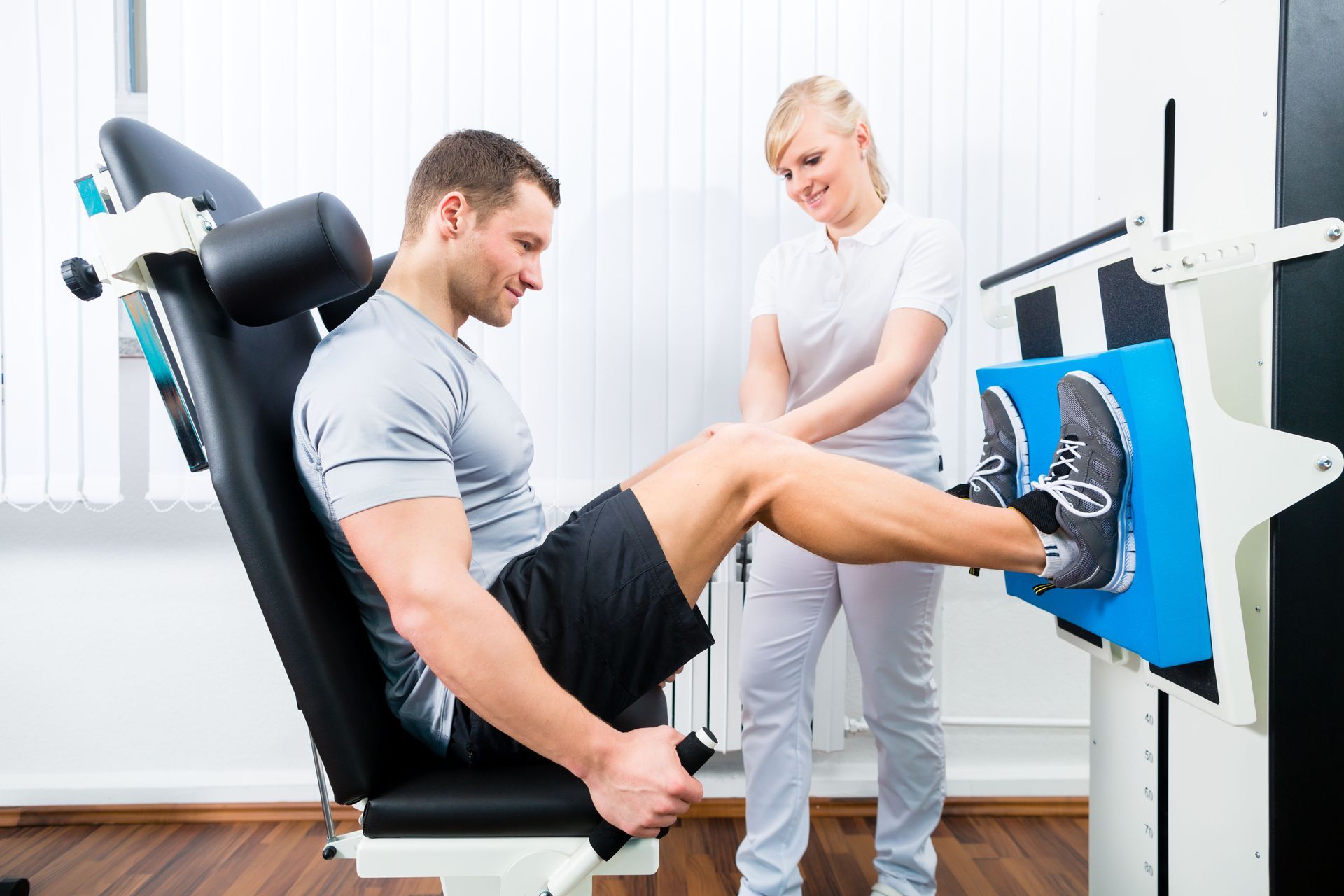
Exercise-based rehabilitation emphasizes structured physical activity as a critical component of recovery, aiming to restore strength, mobility, and overall endurance. Strength training not only builds muscle but also stabilizes joints, helping athletes maintain balance and reducing the likelihood of future injuries. Range of motion exercises address stiffness and limitations caused by injury, ensuring that athletes regain the full movement needed for everyday activities and competitive performance. Balance and proprioception training further enhance spatial awareness and coordination, which are essential for preventing re-injury during dynamic sports movements. Core stabilization exercises strengthen the trunk and support posture, providing a solid foundation that improves overall athletic performance while minimizing unnecessary strain on the arms and legs.
Progressive overload is integrated into these programs by gradually increasing the intensity or resistance of exercises, promoting adaptive growth in muscle strength, endurance, and joint resilience. Personalized exercise plans are tailored to each athlete’s injury, sport, and recovery goals, allowing them to safely rebuild functional capabilities while preparing for sport-specific demands. Beyond physical benefits, exercise-based rehabilitation boosts psychological well-being by fostering confidence, motivation, and a sense of achievement through measurable progress. When combined with professional supervision and carefully designed activity plans, sports rehab services ensure that athletes not only recover effectively but also develop long-term functional improvements that support continued performance and reduce the risk of future injuries.
Apply Modalities and Equipment
Modalities and specialized equipment enhance recovery and support therapeutic outcomes in sports rehab. Electrical stimulation relieves pain, reduces inflammation, and activates muscles, which is essential when athletes experience atrophy from immobilization. Ultrasound therapy uses sound waves to penetrate deep tissue, promoting healing and reducing swelling in soft-tissue injuries. Cryotherapy manages acute injuries by reducing blood flow, limiting swelling, and numbing pain, while heat therapy relaxes muscles, increases circulation, and prepares tissue for subsequent therapy sessions.
Compression devices, including pneumatic pumps, support lymphatic drainage, reduce edema, and improve circulation, preventing secondary complications. These modalities complement manual and exercise-based approaches, accelerating recovery while supporting long-term musculoskeletal health. Using evidence-based technology, sports rehab applies these tools strategically according to injury type and rehabilitation stage, ensuring safe and effective treatment that optimizes outcomes.
Enhance Neuromuscular Retraining
Neuromuscular retraining is crucial in sports rehab for restoring coordination, agility, and precise motor control. Coordination drills reintegrate complex movement patterns disrupted by injury, while motor control exercises improve an athlete’s ability to perform precise and controlled movements. Retraining neural pathways allows the brain and muscles to communicate efficiently, restoring fluid movement. Biofeedback provides real-time physiological data, enabling athletes to refine their technique and enhance functional performance.
Advanced balance exercises simulate sport-specific scenarios, improving stability under dynamic conditions and reducing the risk of re-injury. Athletes progress from basic to complex movements under professional supervision, regaining confidence and full functional capacity. By emphasizing the integration of cognitive and physical recovery, neuromuscular retraining strengthens coordination, resilience, and long-term performance. Sports rehab services that include this approach ensure athletes return to their sport fully prepared, both physically and mentally.
Incorporate Psychological Strategies
Psychological strategies are a crucial component of sports rehab services, as they help athletes navigate the mental challenges that often accompany injury recovery. Goal-setting techniques encourage athletes to focus on achievable objectives, breaking down the rehabilitation process into manageable milestones that foster a sense of accomplishment. Motivation strategies reinforce consistency, ensuring that athletes remain engaged throughout their treatment plan. Visualization exercises allow athletes to mentally rehearse movements and sport-specific actions, which supports physical recovery while maintaining performance readiness. Techniques for managing performance anxiety and building mental resilience equip athletes with the tools to handle pre-competition stress, reduce fear of re-injury, and approach training with confidence.
Stress-reduction practices, including mindfulness, deep breathing, and relaxation exercises, further enhance emotional stability and overall well-being. By integrating psychological strategies alongside physical rehabilitation, sports rehab addresses the recovery process holistically, strengthening both the mind and body. Athletes who develop these mental skills often exhibit greater self-confidence, increased motivation, and stronger adherence to prescribed programs, which directly contribute to improved outcomes. In addition, cultivating mental resilience helps athletes maintain focus during setbacks, cope with prolonged recovery periods, and transition more smoothly back into competitive environments, ultimately supporting a more complete and sustainable recovery journey.
Guide Nutrition and Lifestyle Practices
Nutrition and lifestyle guidance are a vital part of sports rehab services, providing the foundation for healing and optimal performance. Anti-inflammatory diets reduce swelling and support tissue repair, while proper hydration maintains muscle function and prevents further injuries. Adequate sleep ensures that the body’s recovery processes are supported, allowing athletes to engage fully in rehabilitation exercises. Supplementation can address deficiencies and enhance overall nutrition when needed.
Additional lifestyle considerations include active recovery, stress management, and therapeutic techniques such as massage, which help promote long-term wellness. Combining these strategies with structured physical and manual therapies enhances recovery efficiency and supports sustained athletic health. Sports rehab that integrates nutrition and lifestyle guidance empowers athletes to participate actively in their recovery, fostering resilience and long-term success.
Sports rehab provides a comprehensive approach to recovery, integrating manual therapies, exercise programs, modalities, neuromuscular retraining, psychological strategies, and lifestyle guidance. These techniques help athletes regain strength, mobility, and confidence while reducing the risk of future injuries. By addressing both the physical and mental aspects of recovery, sports rehab ensures athletes achieve holistic rehabilitation and long-term performance improvement.
If you are ready to reclaim your strength and return to peak performance, contact us at Back in Action Rehab SC today. We will help you develop a personalized recovery plan using evidence-based sports rehab services designed to support your journey back to full athletic potential.