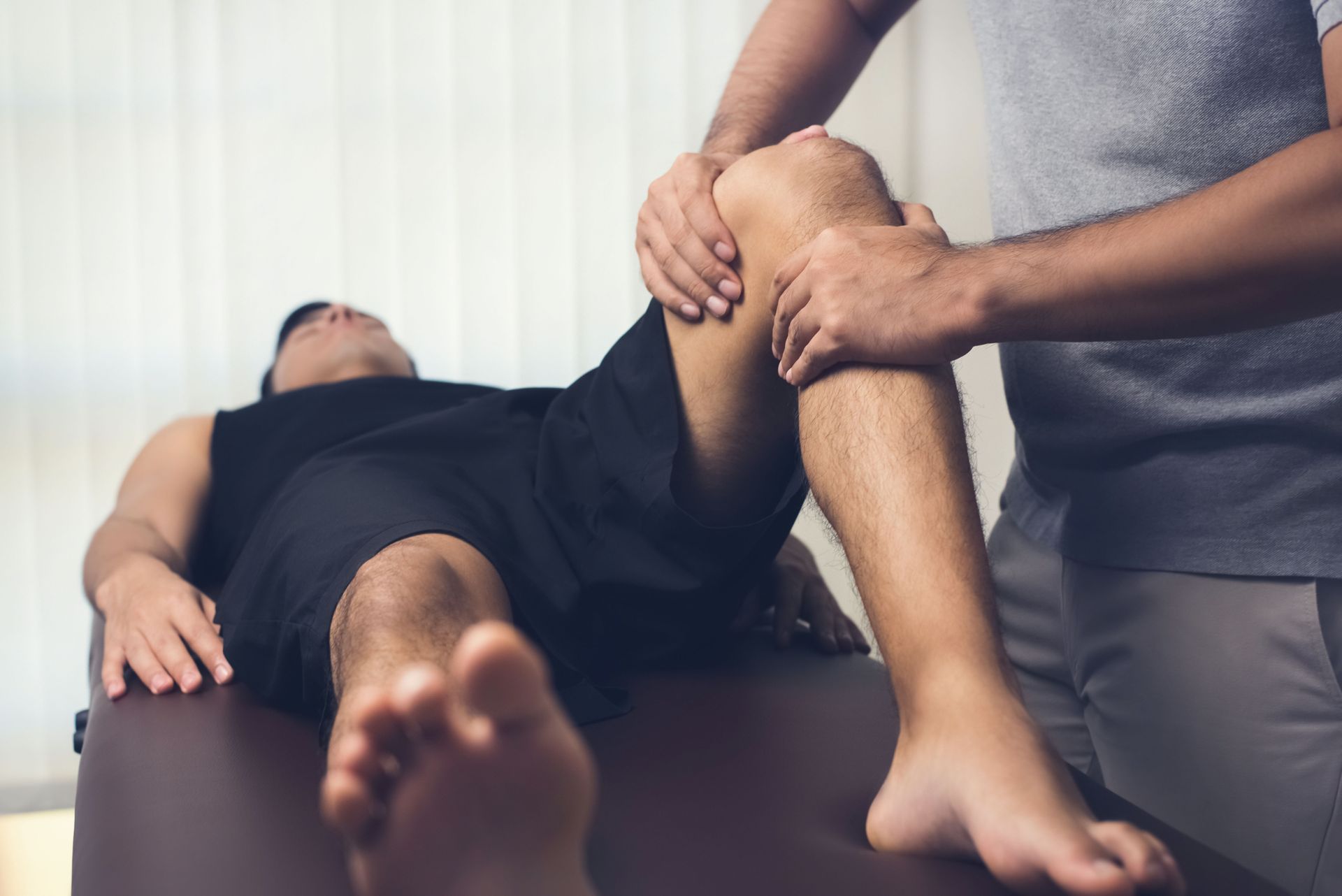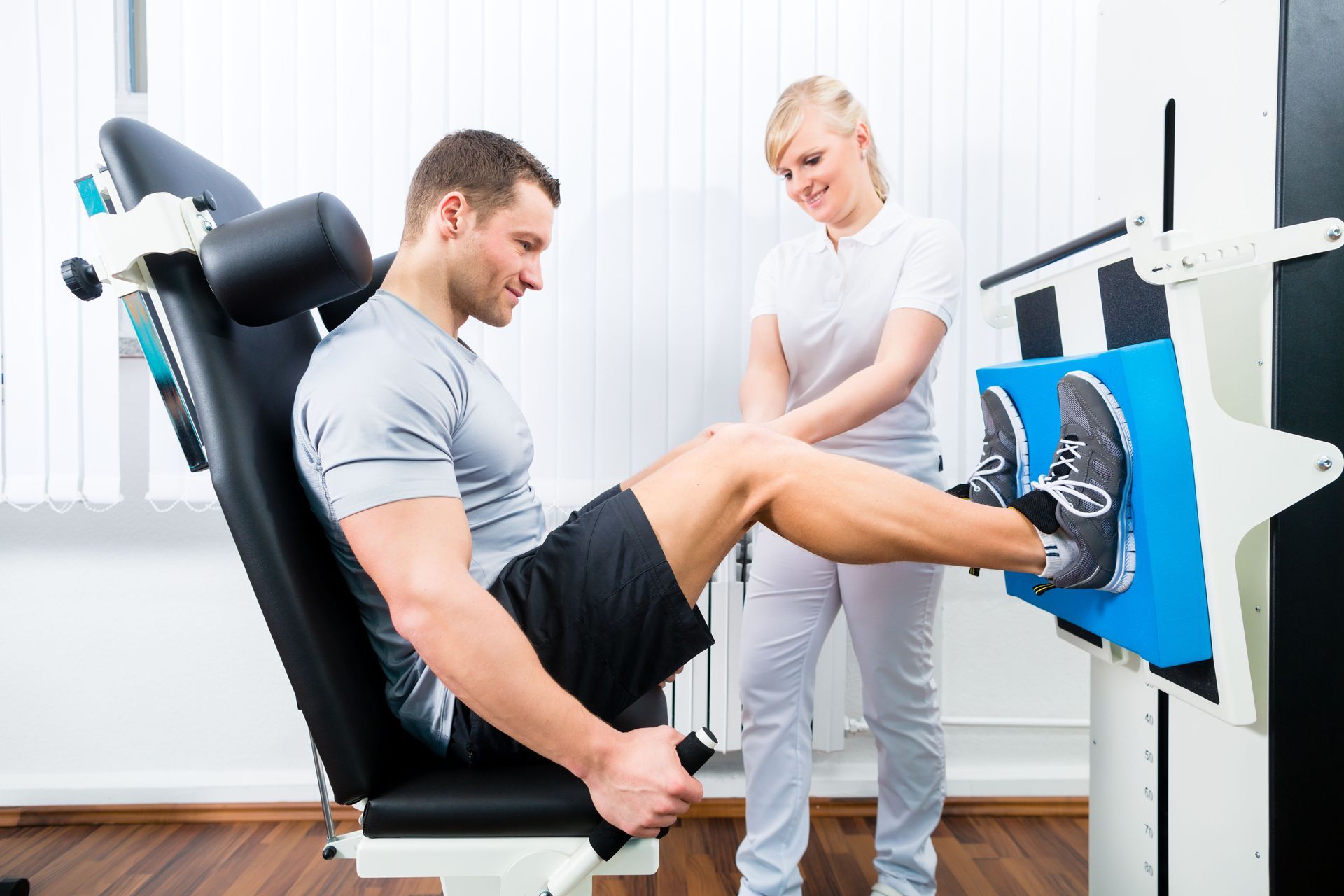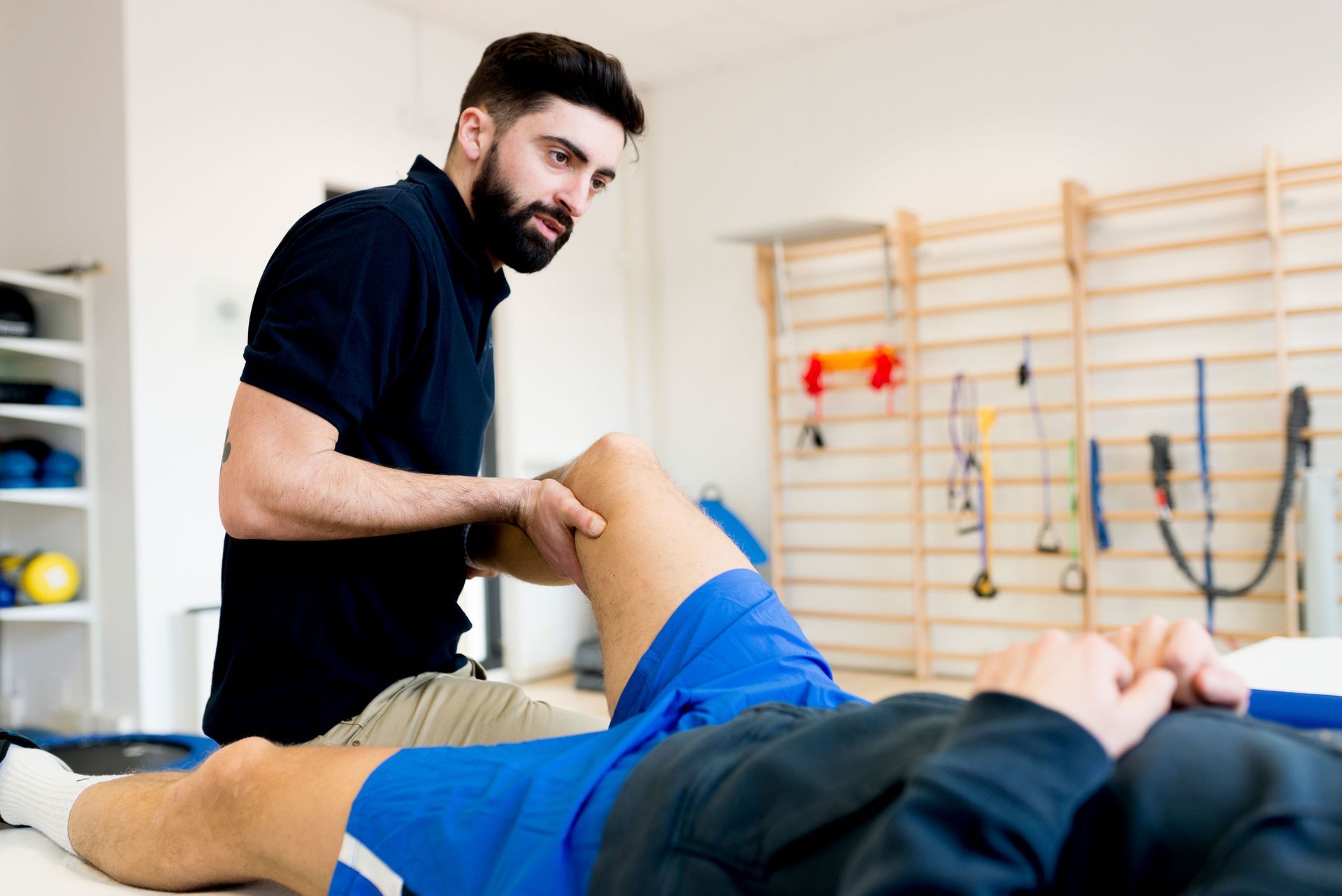
Physical therapy can be a crucial step in recovering from injuries, managing pain, and improving mobility. Understanding when to seek the help of a qualified professional can make a significant difference in your overall health and quality of life. This article outlines the key signs that indicate you may need physical therapy while explaining how early intervention can support faster and more complete recovery. Licensed therapists are trained to restore function, reduce discomfort, and help prevent future injuries through customized care plans. Recognizing these warning signs early allows you to take action before conditions worsen. According to the U.S. Bureau of Labor Statistics, the job outlook for physical therapists from 2024 to 2034 is projected to grow by 11%, which is much faster than average, highlighting the increasing demand for these services as more individuals turn to rehabilitation to maintain mobility and overall wellness. This growing need also reflects a broader awareness of preventative care and the value of maintaining physical function at every stage of life, especially as populations age and prioritize long-term health, mobility, and independence through proactive and consistent care strategies. Staying informed about treatment options empowers individuals to make confident decisions about their care. Consistent follow-through with recommended exercises can further enhance recovery outcomes.
Persistent Pain Symptoms
Ongoing discomfort that lasts for weeks or months is one of the clearest indicators that physical therapy may be necessary. Chronic back pain, for example, can interfere with work, sleep, and everyday movement. Targeted exercises and hands-on techniques are often used to relieve tension, strengthen surrounding muscles, and improve posture. Addressing pain early helps prevent long-term complications and reduces the likelihood of more invasive treatments later on.
Joint discomfort that does not improve with rest can also signal a deeper issue. Whether caused by overuse, injury, or arthritis, joint pain can limit mobility and reduce independence. A structured rehabilitation plan can help stabilize the affected area, improve flexibility, and restore normal movement patterns. With consistent care, many individuals notice measurable improvements in both comfort and performance.
Frequent headaches may also be linked to muscle tension or poor alignment in the neck and shoulders. Therapeutic exercises and posture corrections can help relieve this tension. By identifying the root cause, individuals can reduce the frequency and intensity of headaches while improving overall comfort during daily activities.
Restricted Movement Patterns
Difficulty moving certain parts of the body is another sign that physical therapy could be beneficial. Limited shoulder mobility, for instance, may make it hard to reach overhead or perform routine tasks. Treatment often focuses on restoring flexibility through guided stretching and strengthening exercises. Improving movement not only increases comfort but also reduces the risk of further injury.
Challenges with bending, twisting, or lifting can indicate muscle imbalances or joint restrictions. These limitations often develop gradually and may worsen without proper care. A therapist can evaluate movement patterns and recommend targeted exercises that rebuild strength and coordination. Learning proper body mechanics also helps prevent future strain.
Morning stiffness is a common complaint, especially among individuals with sedentary lifestyles or inflammatory conditions. Guided routines can help loosen joints, improve circulation, and make daily movement easier. Over time, consistent therapy can reduce stiffness and improve overall flexibility.
Post-Surgical Rehabilitation Needs
Recovering from surgery often requires a structured rehabilitation process, and physical therapy plays a central role in that journey. Procedures such as joint replacements or ligament repairs require gradual strengthening and mobility work to restore full function. Without proper guidance, recovery may take longer or result in limited outcomes.
Sports-related procedures, including ACL reconstruction or rotator cuff repair, benefit from carefully planned rehabilitation programs. These programs focus on rebuilding strength, improving coordination, and safely returning individuals to their previous activity levels. A guided approach helps reduce the risk of reinjury and supports long-term performance.
Fracture recovery is another area where physical therapy is essential. Immobilization can lead to muscle weakness and stiffness, making it difficult to regain normal movement. Controlled exercises help rebuild strength and restore joint flexibility, allowing individuals to return to daily activities with confidence.
Balance and Coordination Challenges
Balance problems can increase the risk of falls and reduce overall independence. Frequent stumbling or difficulty maintaining stability may indicate a need for professional intervention. Therapy programs often include balance training and strength exercises designed to improve coordination and body awareness.
Dizziness and vertigo can also affect stability and daily function. Specialized techniques, including vestibular exercises, are used to retrain the body’s balance system. With consistent treatment, many individuals experience reduced symptoms and improved confidence in movement.
Walking on uneven surfaces or navigating stairs may become difficult when coordination is impaired. Strengthening key muscle groups and practicing controlled movements can help restore stability. Improved balance contributes to greater safety and ease in everyday environments.
Injury Recovery Process
Recovering from injuries such as sprains, strains, or muscle tears is a common reason to pursue physical therapy. Guided rehabilitation helps reduce pain, restore function, and prevent recurring issues. Early intervention often leads to faster healing and better long-term results.
Athletes frequently rely on structured programs to recover from sports injuries. These plans are tailored to the demands of specific activities and focus on restoring strength, agility, and endurance. With proper guidance, individuals can return to their sport safely and confidently.
Post-concussion symptoms, including headaches and dizziness, may also improve with targeted interventions. Therapy can address physical and neurological symptoms through controlled exercises and gradual progression. This approach supports a smoother and more complete recovery.
Chronic Condition Management
Long-term health conditions often benefit from consistent care and guided movement strategies. Arthritis, for example, can cause ongoing discomfort and limited mobility. Exercise programs designed to strengthen surrounding muscles and improve joint function can significantly enhance quality of life.
Conditions such as fibromyalgia and chronic pain syndromes often involve widespread discomfort and fatigue. Structured activity plans can help manage symptoms, improve endurance, and support overall well-being. Addressing physical limitations can lead to noticeable improvements in daily comfort.
Individuals managing diabetes may also benefit from targeted care, particularly when dealing with circulation issues or nerve sensitivity. Strengthening exercises and education on proper movement can help reduce complications and improve mobility. Consistent attention to these factors supports better long-term health outcomes.
Early Intervention Benefits
Seeking help early allows for more effective treatment and reduces the likelihood of complications. Addressing minor issues before they become severe can shorten recovery time and minimize disruption to daily life. Early care also helps individuals maintain independence and avoid more invasive procedures.
Another advantage of early intervention is the ability to develop healthy movement habits. Learning proper techniques for lifting, walking, and exercising can prevent future injuries. These habits often lead to long-term improvements in strength, flexibility, and overall wellness.
Recognizing the signs that you may need physical therapy is an important step toward better health and mobility. From persistent pain to balance issues and post-surgical recovery, timely care can make a meaningful difference in how quickly and effectively you heal. By addressing problems early and following a structured plan, individuals can regain strength, improve function, and enhance their overall quality of life. If any of these signs sound familiar, consulting a qualified professional can help you take the next step toward recovery. Contact our team at Back in Action Rehab SC today and get connected with our rehabilitation services.