Kyle Borowitz |September 2, 2026
September 2, 2026
Recognizing the boundary between beneficial exertion and tissue damage is the single most critical skill in long-term physical conditioning. When we push our physical limits, our bodies generate a wide spectrum of sensory feedback that can be difficult to interpret. Misinterpreting these signals often leads to avoidable injuries, long recovery periods, or an early exit from a fitness program altogether. By understanding how our muscles, joints, and nervous systems process exertion, we can optimize our training and build a healthier relationship with movement. When lingering discomfort or sudden sharp sensations jeopardize your physical health, partnering with a local sports rehab specialist ensures you stay on the path toward your goals without compromising your structural integrity.
Define Beneficial Discomfort
Useful exertion sensations stem from metabolic stress and the normal cellular mechanical load placed on targeted muscle tissue. When we perform high-intensity or novel movements, our muscle fibers experience microtears that stimulate the biological repair cycle required to increase strength. We usually recognize this sensation as a deep, diffuse ache or a sense of localized muscular fatigue during or immediately following a workout. It is a temporary state, typically resolving within a day or two as our bodies adapt and repair.
The primary characteristics of beneficial exertion are its symmetrical distribution, mild intensity, and temporary nature. We feel this sensation exclusively within the belly of the muscles used during the movement, rather than inside the joints or connective tissues. Because this discomfort stems from biochemical waste products like hydrogen ions and microscopic structural disruption, it signals that the workload was sufficient to prompt positive physical adaptation. Maintaining proper form and pacing allows us to keep this sensation within a safe, productive range.
Common examples include the familiar burning feeling toward the final reps of a set, or the generalized stiffness that sets in hours later. Delayed onset muscle soreness peaks roughly twenty-four to forty-eight hours post-workout and confirms effective engagement. We can mitigate this temporary soreness through light movement, proper hydration, and structured sleep, turning it into a predictable and manageable part of our routine.
Identify Harmful Physical Distress
Harmful physical distress differs sharply from normal exertion and usually manifests as a sharp, sudden, or highly localized pain that signals immediate tissue overload. This type of distress serves as a direct warning from the nervous system that a joint, tendon, ligament, or nerve is experiencing damage. Unlike the broad, dull ache of fatigued muscles, harmful pain often worsens with continued movement and fails to resolve with standard rest. Recognizing these warning signs early allows us to stop problematic movements immediately and protect our long-term physical health.
Key signs of harmful distress include localized swelling, joint instability, catching sensations, and pain that persists long after the workout concludes. You might also notice heat radiating from a specific joint or a sudden loss of normal range of motion. When these red flags appear, continuing the movement pattern only deepens the underlying tissue damage and extends your eventual recovery timeline.
Several common injuries stem directly from pushing through these distress signals, including muscle strains, ligament sprains, joint impingements, and tendinitis. According to Harvard Medical School, back pain is the most common reason people seek physical therapy, accounting for around 33% of cases. When these structural issues arise, attempting to push through them often leads to chronic movement compensation and systemic joint stress.
Specific warning signs require immediate cessation of activity and professional clinical evaluation. Numbness, tingling, shooting sensations down a limb, or structural joint instability indicate potential neural compromise or significant ligamentous disruption. When faced with these specific symptoms, resting the area and seeking guidance from a local sports rehab clinic prevents temporary setbacks from becoming permanent conditions.
Analyze Physiological Mechanisms
At a microscopic level, microtears within the muscle contractile units trigger the positive sensations associated with strength training. As we lift weights or complete resistance exercises, mechanical tension causes minor structural disruption across the sarcomeres. This microscopic damage triggers a controlled biological repair process that increases muscle fiber diameter and improves overall power output over time.
Inflammation plays a mandatory, highly regulated role in this healing and adaptation sequence. Following targeted exercise, the immune system dispatches specialized cells to clear metabolic debris and release growth factors that rebuild tissue. While this normal inflammatory cascade causes localized stiffness, excessive or systemic inflammation can cause severe tissue irritation and convert beneficial soreness into persistent, non-productive pain.
Joint stress occurs when mechanical forces exceed the structural capacity of articular cartilage, joint capsules, or surrounding ligaments. Unlike skeletal muscle, which enjoys a rich blood supply and adapts quickly to stress, joint structures heal slowly and are easily damaged by poor alignment or excessive impact. When we execute movements with compromised form, joint stress accumulates rapidly, generating sharp signals that demand immediate structural corrections.
Execute Safe Training Strategies
A thorough warm-up and cool-down routine form the foundation of an effective injury-prevention strategy. Warming up increases core body temperature, enhances joint lubrication, and prepares our nervous system for heavy workloads. Cooling down after intense exertion helps clear metabolic waste, gradually lowers heart rate, and prevents post-exercise stiffness.
Engaging in a dynamic warm-up is essential before lifting heavy weights or running. It involves spending ten minutes performing active movements to increase blood flow and joint mobility. Prioritizing movement mechanics is also important, as focusing on flawless execution and postural alignment should take precedence over lifting heavy weights with poor form. Additionally, regulating training volume is crucial to prevent sudden overload of connective tissues. It's important to increase workout weight, duration, or speed gradually. Finally, incorporating targeted cool-downs after your workout is beneficial. Spending five to 10 minutes doing light active recovery and gentle mobility work can promote circulation and aid in recovery.
Adopting precise movement technique protects our joints, tendons, and spinal structures from abnormal physical forces. When we execute exercises with improper alignment, we shift mechanical stress away from our large, powerful muscles and load delicate connective tissues instead. Seeking early guidance from a local sports rehab expert helps catch subtle technique errors before they turn into repetitive strain injuries.
Know When to Seek Help
Persistent, lingering discomfort that fails to resolve after several days of rest represents a clear signal that professional medical evaluation is needed. Persistent pain indicates that the body's natural healing mechanisms are struggling to repair structural damage, or that ongoing movement is continually re-irritating the affected tissue. Seeking early intervention from a local sports rehab clinic helps resolve the underlying issue before it becomes a chronic condition.
Differentiating between acute and chronic pain is vital when deciding on the appropriate clinical intervention strategy. Acute pain occurs suddenly following a specific event or traumatic strain and requires immediate protective care to prevent further tissue damage. Chronic pain, on the other hand, persists for months and involves altered nervous system signaling, requiring a comprehensive rehabilitation approach to restore normal movement patterns.
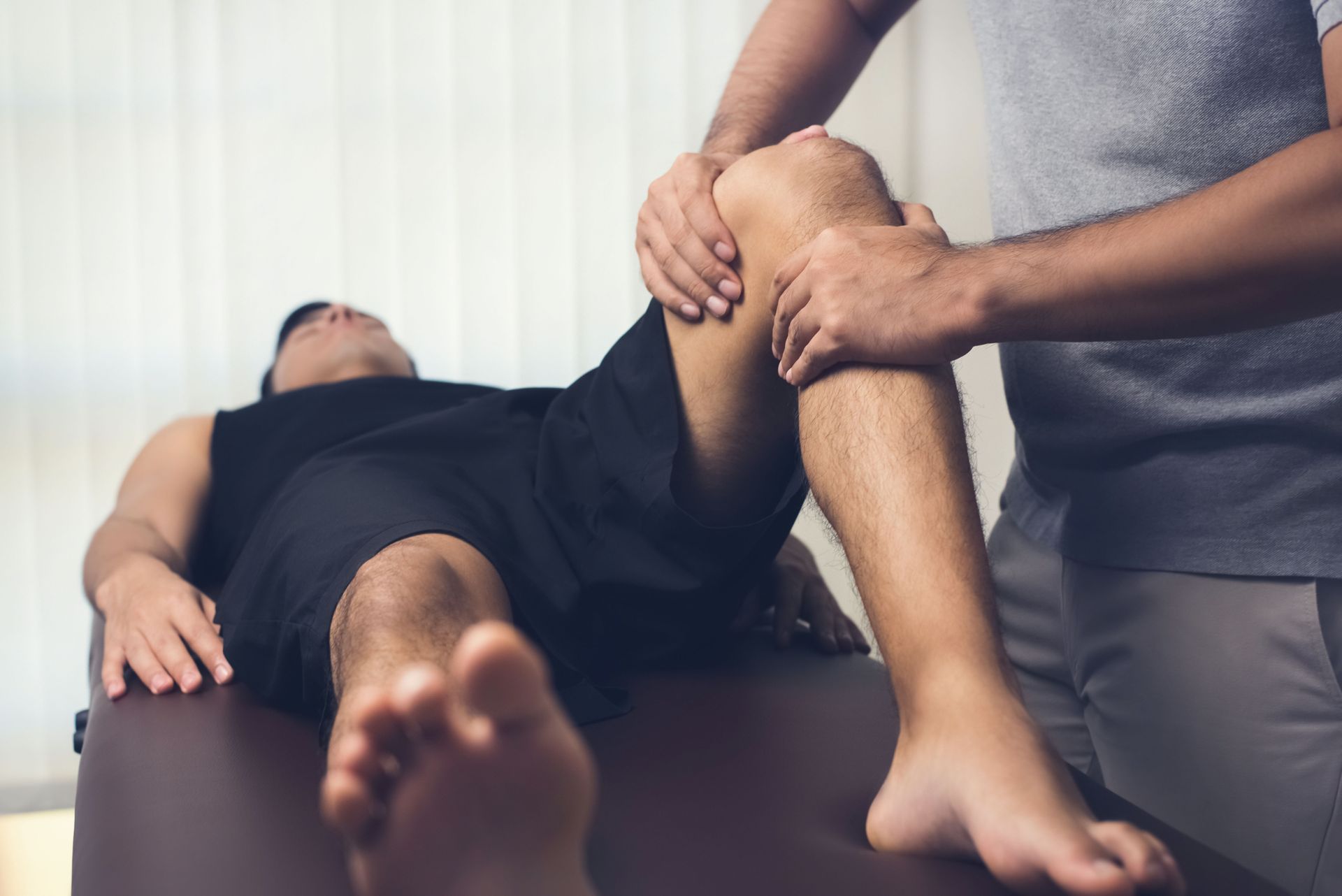
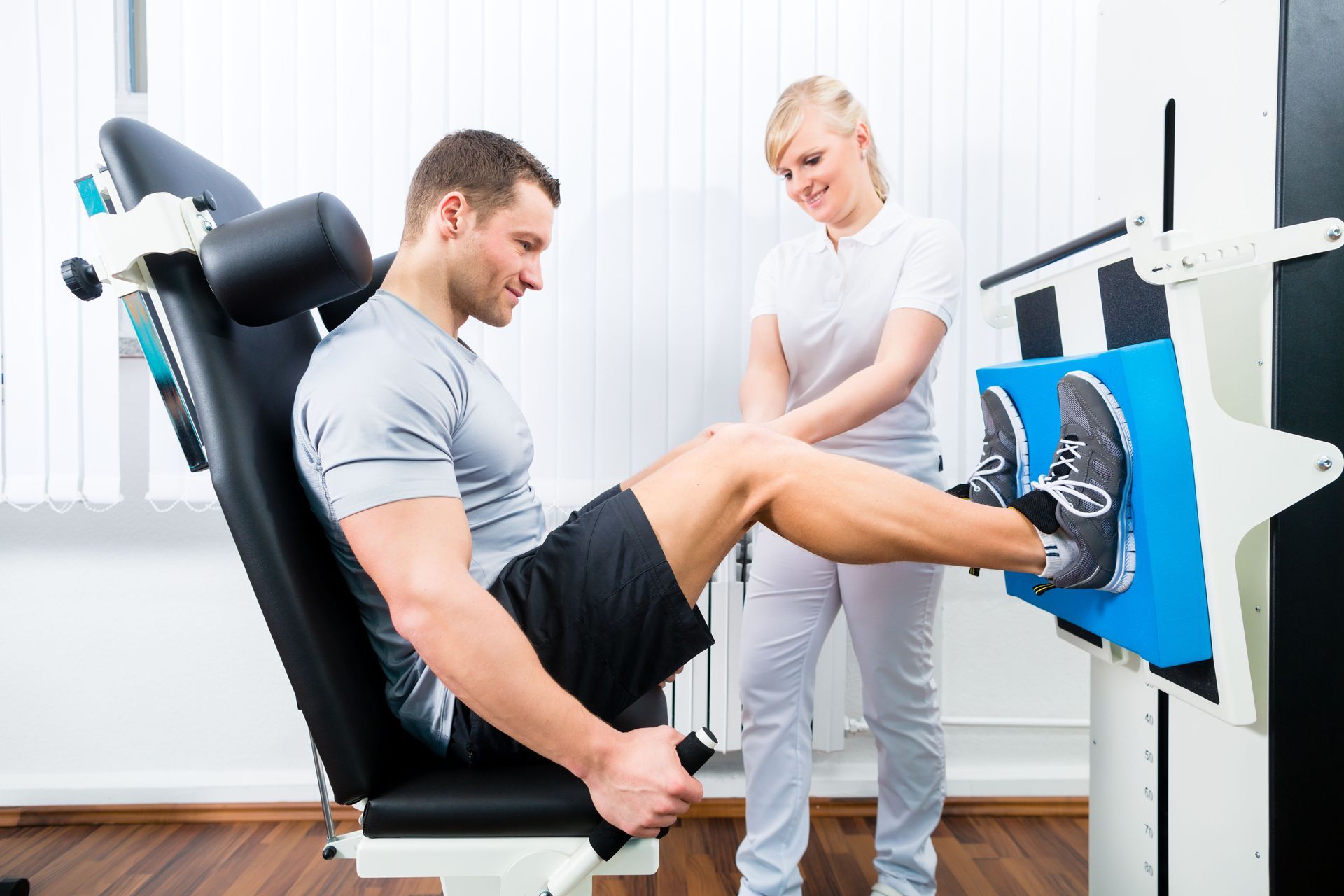
Physical therapists specialize in identifying the root mechanical causes of exercise-induced pain and building targeted recovery programs. Whether you are dealing with joint impingement or spinal discomfort, a structured physical therapy plan restores joint mobility, strengthens weak stabilizing muscles, and corrects poor movement patterns. Visiting a local sports rehab facility gives you access to advanced clinical tools and personalized manual therapy that speed up tissue healing.
Modern diagnostic strategies allow physical therapists and sports physicians at local sports rehab clinics to pinpoint the exact source of your physical distress. Clinical movement screens, manual palpation, joint mobility testing, and advanced imaging tools provide clear, objective data regarding your joint and tissue health. Using these precise insights, your clinical team can construct a highly focused rehabilitation program tailored specifically to your body's structural needs.
Partnering with experienced professionals ensures you navigate injury recovery safely, efficiently, and with complete confidence. Rather than guessing how to manage persistent joint pain or muscle strain, getting a thorough clinical evaluation protects your long-term athletic potential. If persistent joint pain, lingering back issues, or acute muscle strain are holding you back from your fitness goals, the dedicated team at Back in Action Rehab is ready to help you recover, rebuild, and move without pain. Contact us today to schedule your comprehensive evaluation with a local sports rehab specialist and get back to doing what you love safely.