Kyle Borowitz |October 10, 2026
October 10, 2026
Recovering from orthopedic surgery involves more than allowing an incision to heal. Muscles, joints, tendons, and other tissues often need time and guided rehabilitation to regain strength, flexibility, coordination, and normal function. Physical therapy can play an important role throughout this process by helping patients safely progress from the early stages of recovery toward their everyday activities.
According to Nova One Advisor, physical therapy continues to play an important role in treating musculoskeletal conditions, injuries, and chronic diseases, with orthopedic therapy accounting for approximately 58% of the market. This reflects the significant role rehabilitation can have in addressing orthopedic problems both before and after surgery.
Working with a physical therapist can also help patients understand what their bodies can safely handle during recovery. A personalized treatment plan may address pain, stiffness, weakness, balance, and limitations in movement while gradually increasing activity. Local physical therapy can make this process easier to manage by providing access to consistent, hands-on rehabilitation close to home.
When Should You Start Physical Therapy?
The appropriate time to begin physical therapy depends heavily on the type of orthopedic procedure performed. Some patients may begin gentle movements within days of surgery, while others may need a longer period of protection before certain exercises are appropriate. Joint replacements, ligament repairs, spinal procedures, and fracture repairs can all have different rehabilitation protocols.
For this reason, patients should follow the recommendations of their surgeon and healthcare team rather than assuming that starting sooner is always better. The surgical site and repaired tissues may need time to heal before certain movements or exercises are introduced.
Once therapy begins, the physical therapist can work within the restrictions established by the medical team. Early treatment may focus on reducing stiffness, controlling swelling, maintaining safe mobility, and teaching patients how to move without placing unnecessary stress on the healing area.
Local physical therapy can also provide a convenient setting for maintaining continuity between surgery and rehabilitation. Having appointments nearby may make it easier to attend regularly, communicate with the care team, and stay consistent with a prescribed recovery program.
How Often Should Therapy Sessions Be?
There is no universal schedule for postoperative physical therapy. Some patients may initially attend several sessions each week, while others may require fewer appointments depending on the surgery, their overall health, insurance coverage, and progress.
The frequency of sessions may also change throughout recovery. Early appointments can be more frequent when patients need assistance learning exercises and managing basic movement. As strength and independence improve, appointments may become less frequent while more responsibility shifts toward an at-home exercise program.
Consistency is generally more important than simply attending a large number of appointments. Patients should communicate with their therapist about pain, difficulty performing exercises, changes in mobility, and other concerns. These conversations allow the rehabilitation plan to be adjusted as recovery progresses.
A local physical therapy provider may also be able to monitor progress closely and make incremental changes to an exercise program. This individualized approach can help patients avoid progressing too quickly while still challenging their bodies enough to encourage improvement.
What to Expect in a Local Physical Therapy Session?
A typical local physical therapy appointment may begin with an assessment of the patient's current condition. Depending on the procedure and stage of recovery, the therapist may evaluate range of motion, strength, balance, walking ability, flexibility, or functional movement.
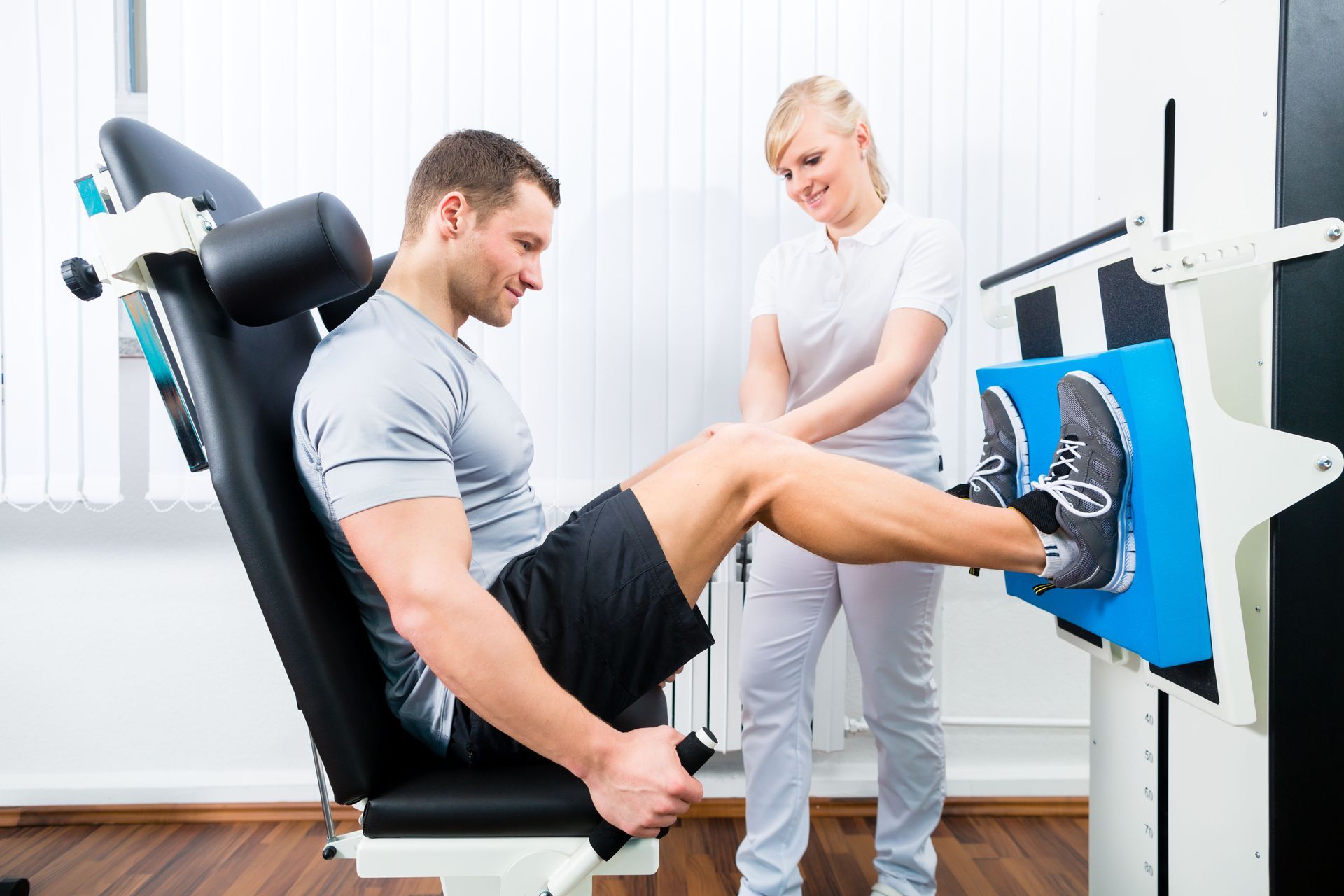
Treatment can then involve several different techniques. Therapeutic exercises are commonly used to strengthen muscles and improve mobility. A therapist may also use stretching, controlled movements, balance activities, or functional exercises designed around the patient's daily needs.
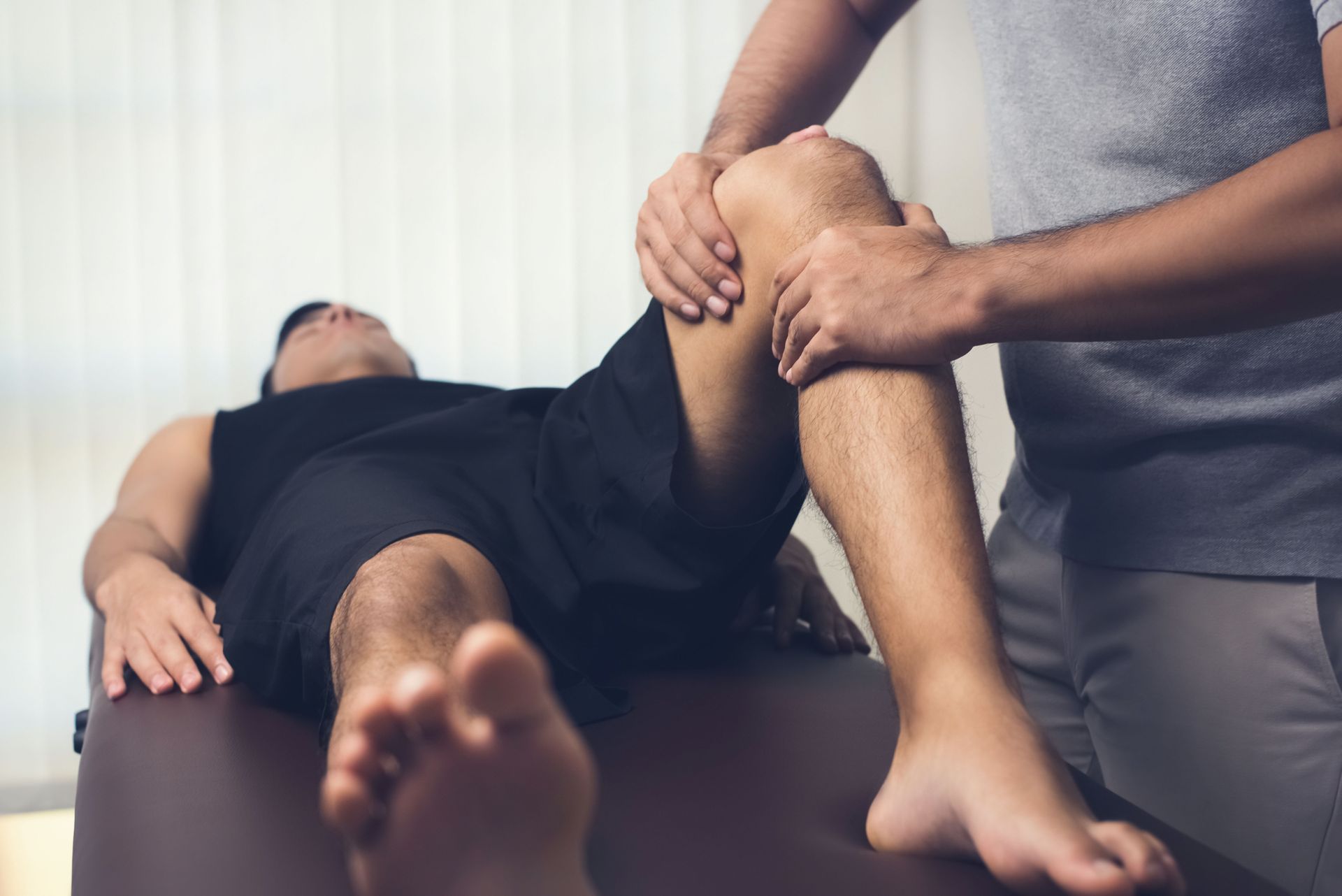
For example, someone recovering from knee surgery may work on bending and straightening the knee, strengthening the surrounding muscles, improving balance, and gradually developing a more natural walking pattern. Someone recovering from shoulder surgery may instead focus on restoring range of motion before progressing toward strengthening exercises.
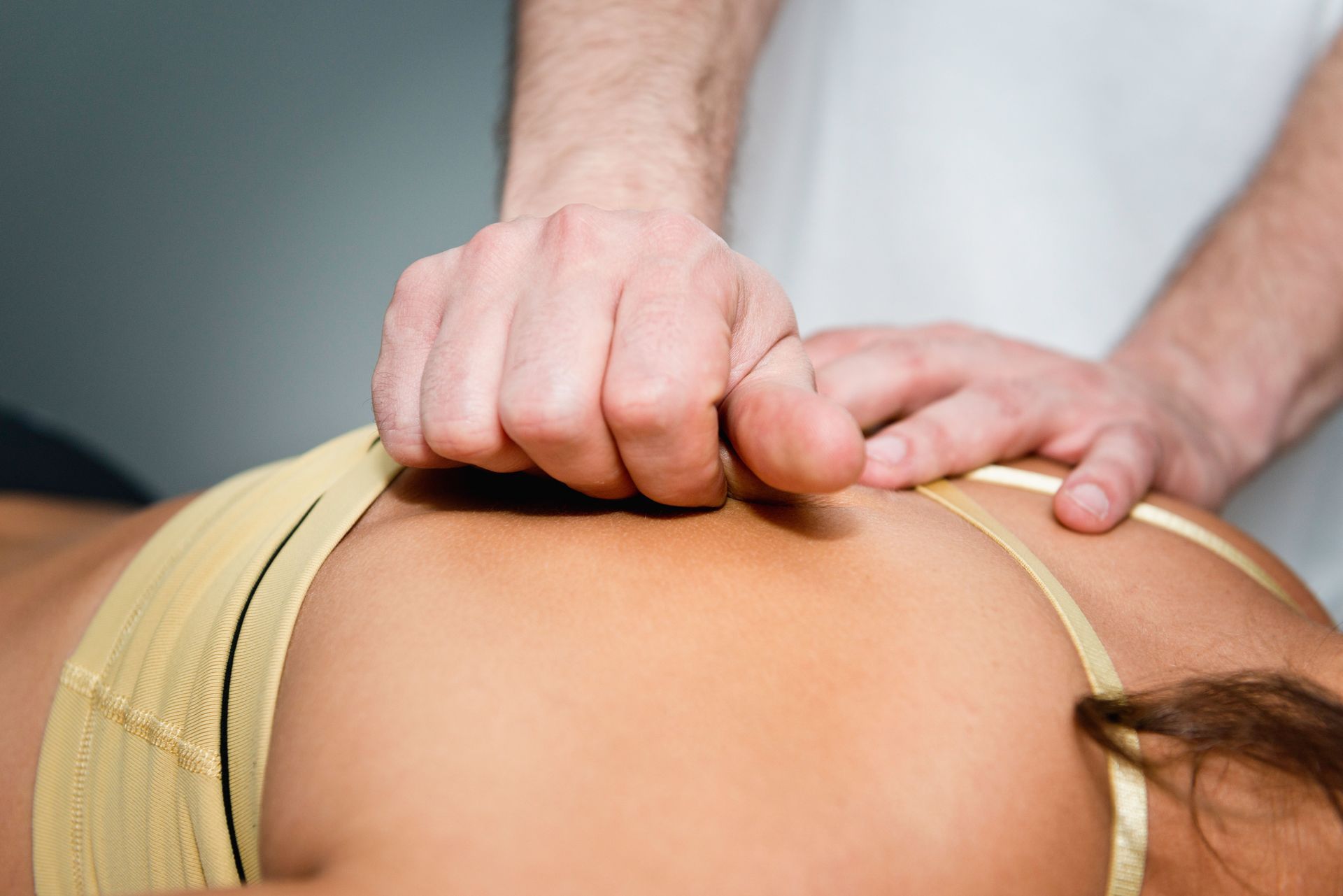
Pain management may also be part of rehabilitation. Depending on the circumstances, a therapist may use hands-on techniques or other therapeutic approaches alongside exercise. The specific treatment should be based on the patient's condition and the restrictions established after surgery.
Patients should also expect to receive exercises to perform at home. These assignments are an important part of rehabilitation because progress does not occur only during appointments. A physical therapist can demonstrate proper technique and explain how frequently exercises should be performed.
The goals of local physical therapy should be specific to the individual. Rather than simply focusing on completing exercises, therapy may be designed around meaningful functional goals, such as walking comfortably, returning to work, climbing stairs, exercising, or performing household activities.
How to Choose a Suitable Local Physical Therapist?
Choosing the right therapist can make the rehabilitation process easier to navigate. One important consideration is whether the provider has experience treating patients who have undergone the type of orthopedic surgery you received. Different procedures have different precautions and rehabilitation requirements, so relevant experience can be valuable.
Credentials and professional qualifications should also be considered. Patients can ask about a therapist's education, licensing, certifications, and experience with postoperative rehabilitation. It can also be helpful to ask whether the practice regularly treats conditions similar to yours.
Convenience matters as well. Local physical therapy can reduce the travel involved in attending appointments, which may be particularly useful immediately after surgery when driving or traveling long distances may be difficult. A convenient location may also make it easier to maintain the appointment schedule recommended by your healthcare providers.
Patient reviews can provide additional insight into the experience at a particular practice, although they should be considered alongside other information. Reviews may offer observations about communication, scheduling, staff interactions, and the overall patient experience.
Finally, patients should feel comfortable asking questions before beginning treatment. Asking how the therapist approaches postoperative rehabilitation, what the expected goals are, and how progress will be measured can help establish realistic expectations.
How Does Physical Therapy Support Long-Term Recovery?
The purpose of rehabilitation extends beyond simply getting through the first few weeks after surgery. Orthopedic procedures may correct an underlying problem, but patients often need to rebuild strength and movement patterns that were affected by the injury, condition, or period of reduced activity.
A carefully structured physical therapy program can help patients gradually regain confidence in using the affected body part. It can also provide guidance for returning to activities without unnecessarily exceeding the body's current capabilities.
The exact recovery process will vary from person to person. Age, general health, the type of surgery, the severity of the original condition, and adherence to rehabilitation recommendations can all influence progress. Patients should therefore view physical therapy as an individualized process rather than a fixed timetable.
Local physical therapy can provide the ongoing guidance needed to navigate these stages. By combining supervised treatment with an appropriate home program, patients can work toward restoring mobility, strength, and function while following the precautions established by their healthcare team.
How Can Physical Therapy Improve Postoperative Recovery?
Physical therapy is an important component of recovery for many orthopedic surgery patients. Beginning treatment at the appropriate time, attending sessions consistently, following prescribed exercises, and communicating openly with healthcare providers can all contribute to a structured rehabilitation process.
Local physical therapy also offers the practical advantage of receiving professional guidance in a convenient setting. Whether the goal is returning to work, resuming recreational activities, or simply moving comfortably through everyday life, a personalized rehabilitation program can help patients work toward those goals safely and progressively.
Patients should always follow their surgeon's specific postoperative instructions and discuss any concerns about pain, movement, or exercise with their healthcare team. With appropriate medical guidance and a consistent rehabilitation plan, physical therapy can help make the transition from surgery toward normal function more manageable. If you're looking for compassionate and experienced physical therapy, reach out to Back in Action Rehab today!