Musculoskeletal discomfort and mobility limitations are among the most common reasons people seek care from rehabilitation professionals. These challenges can affect daily movement, work performance, and overall quality of life, often developing gradually or following an injury. Addressing them early and appropriately can make a meaningful difference in long-term outcomes and help individuals return to normal activities with greater confidence.
A structured approach to recovery often involves physical therapy, which focuses on improving movement patterns, reducing pain, and restoring functional strength. Rather than masking symptoms, this type of care emphasizes identifying the underlying contributors to dysfunction so that improvements are both meaningful and sustainable. For many individuals, this approach becomes a key part of maintaining independence and preventing recurring issues.
1. Chronic Back and Neck Pain
Underlying Causes and Movement Dysfunction
Chronic spinal discomfort is frequently linked to a combination of poor posture, repetitive strain, muscle imbalance, and restricted joint mobility. Over time, these factors can alter how the body distributes load through the spine, leading to persistent irritation in surrounding tissues. In many cases, discomfort is not caused by a single event but rather by gradual mechanical stress that accumulates over months or years.
Within a structured rehabilitation plan, physical therapy is often used to evaluate how movement patterns contribute to pain. By assessing alignment, flexibility, and muscular coordination, clinicians can identify specific dysfunctions that may be reinforcing symptoms. This targeted approach allows treatment to focus on correcting inefficiencies rather than simply addressing discomfort at the surface level.
Pain Reduction Through Targeted Care
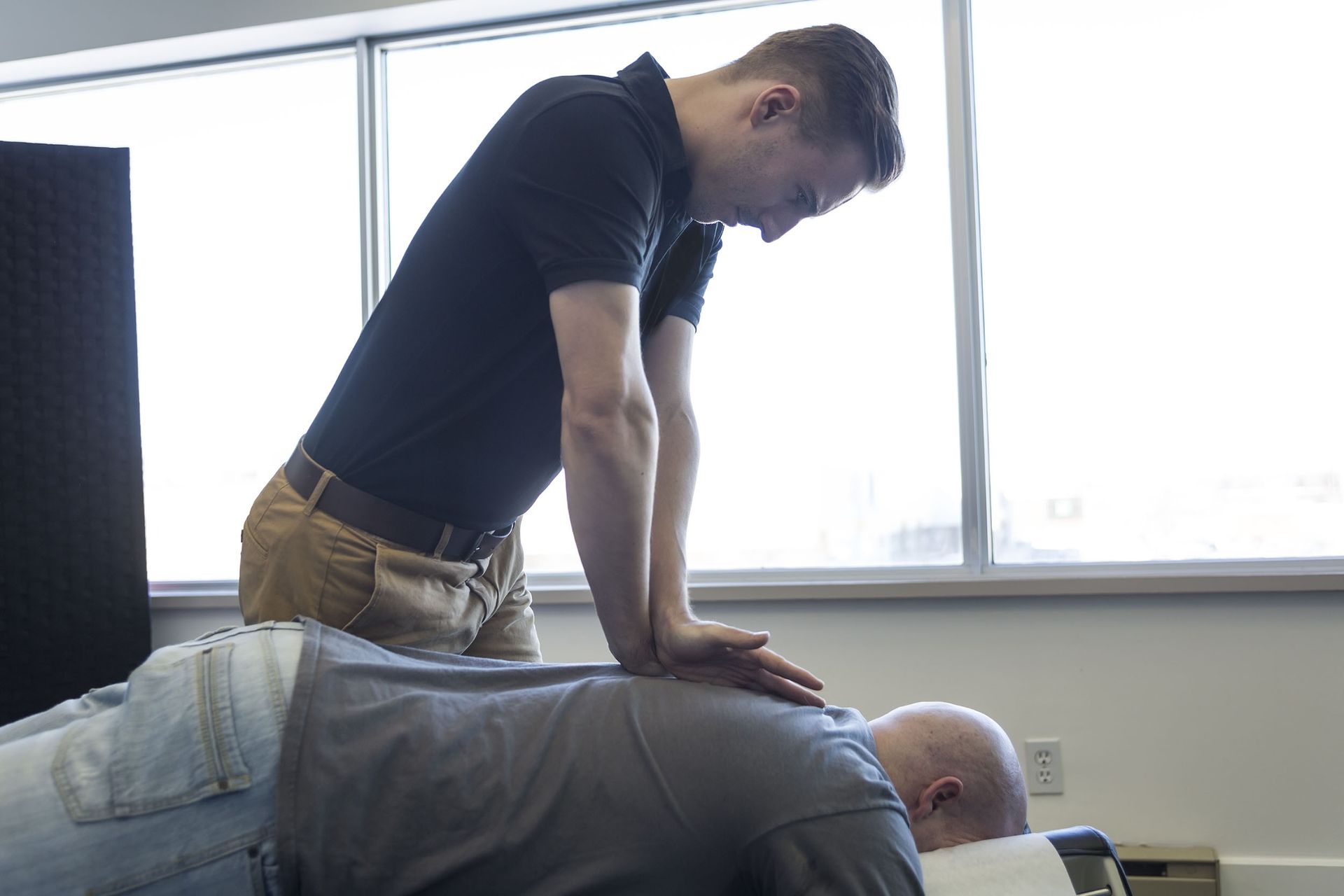
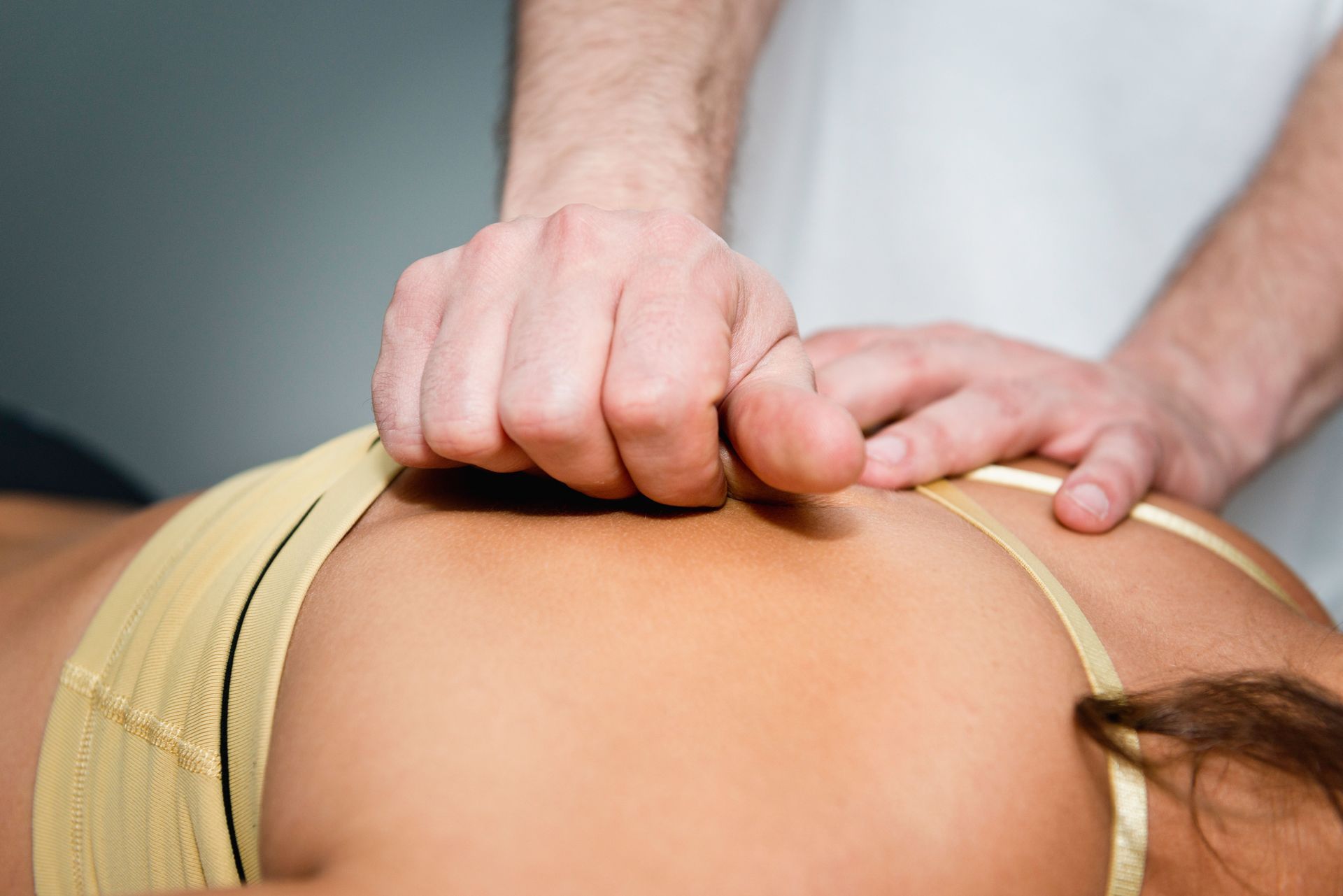
Pain management for spinal conditions typically involves a combination of manual techniques and guided movement strategies. These interventions are designed to reduce muscular tension, improve circulation, and restore joint mobility in areas that may be restricted. As tissues become less guarded and more balanced, individuals often experience a gradual reduction in discomfort.
In this phase of care, a physical therapist plays a central role in helping patients regain tolerance to everyday movements such as sitting, bending, and lifting. Controlled exercise progression helps retrain the body to move efficiently without triggering pain responses. Over time, this structured progression can reduce reliance on compensatory movement patterns that often worsen symptoms.
Restoring Daily Function and Posture
Long-term recovery from spinal discomfort requires attention to functional movement and postural endurance. Many individuals unknowingly adopt positions throughout the day that reinforce strain in the neck and lower back. Correcting these habits is essential for preventing recurrence and maintaining improvements achieved during treatment.
Rehabilitation strategies focus on strengthening stabilizing muscles that support the spine during both static and dynamic activities. With consistent effort, physical therapy helps individuals build resilience in support structures, allowing them to maintain healthier alignment throughout daily tasks such as working at a desk or performing household activities.
2. Knee and Shoulder Injuries
Sports and Overuse Strain Patterns
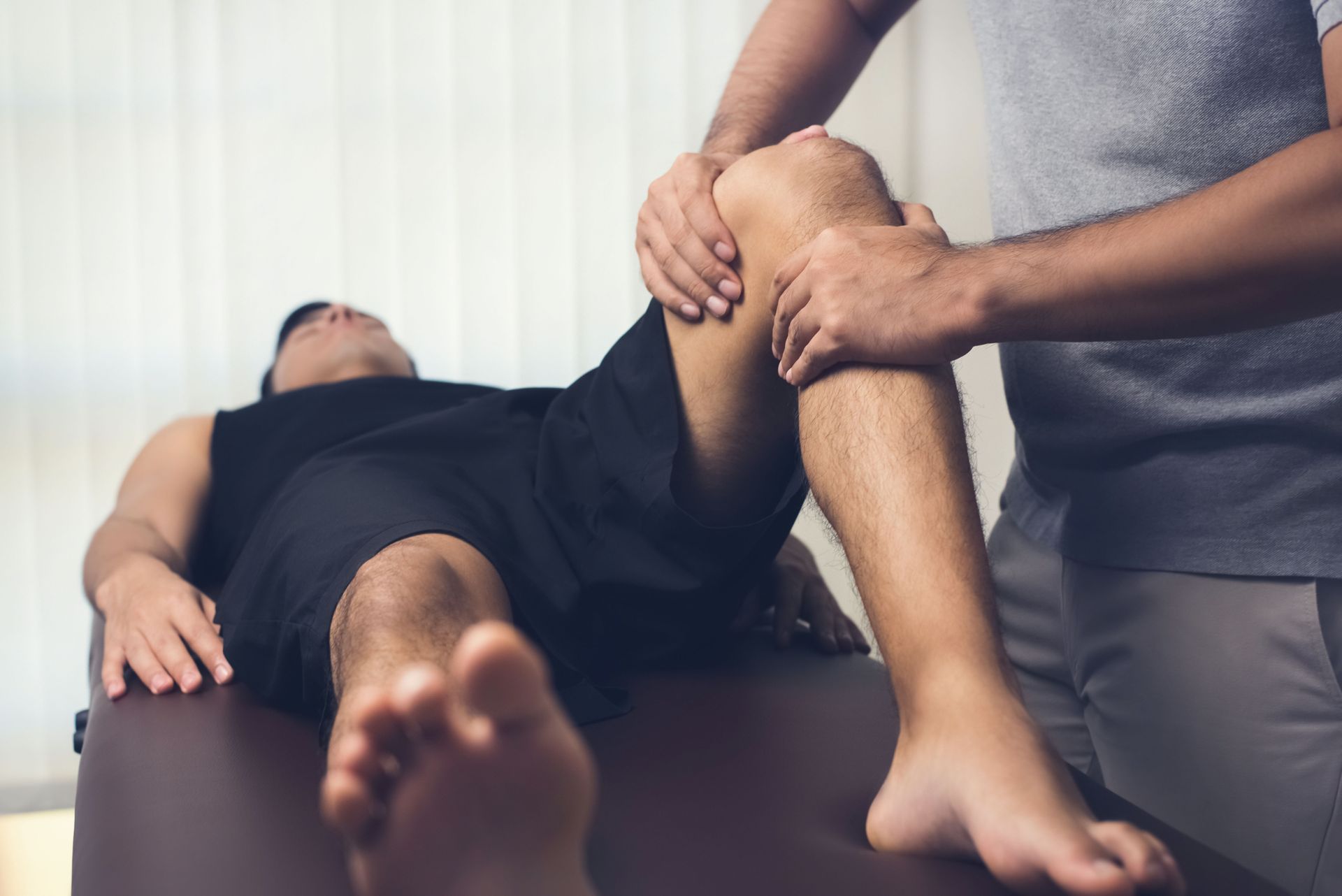
Knee and shoulder injuries are commonly associated with repetitive strain, sudden impact, or improper movement mechanics during physical activity. Athletes and active individuals are particularly susceptible to these issues due to the high demands placed on these joints. However, similar injuries can also occur in everyday activities such as lifting, climbing stairs, or performing repetitive work tasks.
In many cases, physical therapy is introduced to assess how joint loading and movement mechanics contribute to tissue stress. By analyzing gait, lifting patterns, and shoulder mechanics, clinicians can identify inefficiencies that may be contributing to inflammation or instability. This detailed assessment is essential for developing an effective recovery plan.
Rehabilitation for Joint Stability
Restoring stability to injured joints requires a careful balance of mobility work and strengthening exercises. Early stages of rehabilitation often focus on reducing inflammation and improving range of motion, while later stages emphasize control and coordination. This progression ensures that healing tissues are gradually exposed to increasing levels of stress safely.
As treatment progresses, physical therapy helps re-establish neuromuscular control around the affected joint. This includes retraining muscles to activate in the correct sequence during movement, which is essential for preventing recurring injury and improving long-term joint function. Stability is not only about strength but also about timing and coordination.
Preventing Recurrence Through Strength Training
Once initial pain and dysfunction have improved, attention shifts toward preventing recurrence. Many joint injuries reappear when underlying weaknesses are not fully addressed. Strength training plays a critical role in reinforcing the structures that support the knee and shoulder during dynamic activity.
A well-designed rehabilitation program incorporates progressive resistance exercises that challenge the joint in controlled environments. This is where physical therapy continues to support recovery by ensuring that strength gains translate into functional movement patterns. Over time, this reduces vulnerability to recurring injury during both athletic and daily activities.
Functional Return to Activity
Returning to full activity requires more than symptom resolution; it requires confidence in movement and adequate physical preparedness. Individuals must be able to perform tasks such as running, lifting, or reaching without hesitation or compensation. This stage of recovery often involves sport-specific or task-specific training.
By gradually reintroducing real-world movement demands, rehabilitation ensures that the joint can tolerate the stresses of normal activity. This approach minimizes setbacks and helps individuals transition safely back to their previous level of performance while maintaining joint health.
3. Balance Issues and Fall-Related Injuries
Age-Related Changes In Stability
As individuals age, changes in muscle strength, reaction time, and sensory perception can contribute to decreased balance. These changes increase the likelihood of instability during everyday movements such as walking, turning, or navigating uneven surfaces. Without intervention, this decline can significantly impact independence.
According to the Centers for Disease Control and Prevention, approximately one in 10 falls among older adults leads to an injury serious enough to limit daily activities for at least one day or require medical attention. This highlights the importance of addressing balance concerns early and proactively to reduce risk and maintain quality of life.
Rehabilitation After a Fall
Recovering from a fall often involves addressing both physical injury and underlying balance deficits. Many individuals develop a fear of falling again, which can lead to reduced activity levels and further physical decline. Rehabilitation focuses on restoring confidence while improving strength and stability.
In this context, physical therapy is used to retrain balance responses and improve coordination between sensory and motor systems. Exercises are carefully structured to challenge stability in a controlled environment, allowing individuals to rebuild trust in their movement abilities while reducing the risk of future incidents.
Building Confidence and Mobility
Regaining independence after balance-related injuries requires consistent practice and gradual exposure to more complex movement tasks. This may include navigating different surfaces, changing directions, or performing dual-task activities that simulate real-world demands. Each step is designed to reinforce stability under varied conditions.
As strength and coordination improve, individuals often notice increased confidence in their ability to move safely. This psychological component is just as important as physical recovery, as it directly influences activity levels and long-term outcomes. Continued progression ensures that improvements are maintained over time.
Common musculoskeletal and mobility-related conditions can significantly impact quality of life, but they are often highly responsive to structured rehabilitation approaches. By addressing the root causes of dysfunction and reinforcing proper movement patterns, individuals can achieve meaningful and lasting improvements in strength, comfort, and stability.
Whether dealing with chronic pain, joint injuries, or balance challenges, physical therapy offers a comprehensive pathway toward recovery and long-term function. With consistent effort and individualized care, many people can return to their daily activities with improved confidence and reduced risk of future limitations. If you're looking for relief from any of these common ailments, reach out to Back in Action Rehab today!