Healthy joints are essential for maintaining mobility, independence, and an active lifestyle throughout every stage of life. While aging naturally affects cartilage, muscles, and connective tissues, many daily habits can help minimize stiffness and improve joint function over time. Developing consistent routines and seeking guidance from physical therapists when needed can make a significant difference in preserving comfort and flexibility.
According to Harvard Medical School, more than 50 million Americans receive physical therapy services each year. That number reflects how many people recognize the value of improving movement, recovering from injuries, and managing chronic discomfort. Fortunately, many of the same principles used in rehabilitation can also help support healthy joints before significant problems develop.
Movement Builds Long-Term Joint Health
Regular movement is one of the most effective ways to maintain healthy joints. Gentle physical activity encourages the production of synovial fluid, which lubricates joints and helps cartilage receive nutrients. Staying active also strengthens the muscles that support major joints, reducing unnecessary stress during everyday activities.
Walking remains one of the simplest exercises for nearly every fitness level. A brisk daily walk increases circulation, supports cardiovascular health, and promotes joint mobility without placing excessive strain on the body. Even short walks throughout the day can reduce stiffness caused by prolonged sitting.
Stretching should also become part of a daily routine. Tight muscles restrict movement and can alter the way joints function, sometimes increasing discomfort over time. Dynamic stretches before activity and gentle static stretches afterward help improve flexibility while supporting better posture.
Strength training provides another important benefit for long-term joint health. Building muscle around the knees, hips, shoulders, and spine creates greater stability during movement. Many physical therapists recommend resistance exercises that emphasize proper form and gradual progression rather than heavy lifting.
Low-impact activities like swimming, cycling, and water aerobics are excellent alternatives for individuals experiencing joint sensitivity. These exercises improve endurance and muscle strength while minimizing repetitive impact on weight-bearing joints. Incorporating several different activities throughout the week also helps prevent overuse injuries.
Nutrition Supports Flexible, Healthy Joints
The foods you eat play an important role in maintaining joint health. Nutrient-rich meals help reduce inflammation, support tissue repair, and provide the building blocks necessary for healthy cartilage and connective tissues. Making thoughtful dietary choices every day can complement an active lifestyle.
Omega-3 fatty acids found in salmon, sardines, walnuts, and flaxseed may help support a healthy inflammatory response. Including these foods regularly can contribute to overall joint comfort while benefiting heart and brain health. A balanced diet offers advantages that extend well beyond your joints.
Colorful fruits and vegetables provide antioxidants that help protect cells from oxidative stress. Berries, leafy greens, carrots, peppers, and citrus fruits contain vitamins and minerals that support tissue health throughout the body. Eating a wide variety of produce helps ensure consistent nutrient intake.
Protein is equally important for maintaining muscle mass that stabilizes joints. Lean poultry, fish, beans, eggs, dairy products, and plant-based proteins all contribute to muscle maintenance and recovery. Many physical therapists encourage adequate protein intake alongside regular exercise to preserve mobility as people age.
Hydration often receives less attention than nutrition, yet it remains essential for healthy joints. Water supports numerous bodily functions, including maintaining the moisture content of cartilage. Drinking sufficient fluids throughout the day helps your body perform efficiently while supporting overall joint function.
Maintaining a healthy body weight also reduces stress on weight-bearing joints. Every additional pound places increased pressure on the knees, hips, and lower back during routine activities. Combining nutritious eating habits with regular exercise helps create sustainable long-term results.
Recovery Prevents Everyday Wear and Tear
Many people focus primarily on exercise while overlooking the importance of recovery. Muscles, tendons, ligaments, and joints require adequate time to repair after physical activity. Physical therapists advise that giving your body opportunities to recover helps prevent excessive strain and promotes long-term function.
Quality sleep is one of the most effective recovery tools available. During sleep, the body repairs tissues, regulates hormones, and restores energy needed for daily movement. Establishing consistent sleep habits supports overall physical wellness while promoting healthier joints.
Listening to your body's signals is equally important. Mild soreness after exercise is often normal, but persistent pain should not be ignored. Adjusting activity levels when discomfort develops can prevent minor issues from becoming more significant injuries.
Alternating repetitive movements throughout the day also helps reduce joint stress. Individuals who spend hours typing, lifting, or standing may benefit from changing positions regularly and performing gentle mobility exercises during breaks. These small adjustments often make noticeable differences over time.
Many physical therapists encourage individuals to incorporate mobility exercises into their daily schedules rather than waiting until discomfort develops. Regular movement helps maintain flexibility while reducing stiffness associated with prolonged inactivity. Preventive habits frequently produce better long-term outcomes than reactive approaches.
Stress management contributes to physical wellness as well. Chronic stress can increase muscle tension, negatively affecting posture and movement patterns. Relaxation techniques such as deep breathing, meditation, or gentle yoga help reduce unnecessary tension throughout the body.
Consistency Creates Lifelong Mobility
Healthy joints rarely result from occasional efforts. Instead, they benefit from consistent habits practiced over months and years. Small daily actions often produce greater long-term improvements than dramatic but short-lived fitness routines.
Good posture reduces unnecessary stress on the spine, hips, knees, and shoulders. Whether sitting at a desk, standing in line, or lifting household items, maintaining proper alignment helps distribute forces more evenly across the body. Better posture also supports efficient muscle function during movement.
Supportive footwear plays a surprisingly important role in joint health. Shoes that provide appropriate cushioning and stability can reduce impact forces while improving balance and walking mechanics. Replacing worn shoes when necessary helps maintain proper support for everyday activities.
Using proper lifting techniques further protects joints from unnecessary strain. Bending at the knees, keeping objects close to the body, and avoiding sudden twisting motions help reduce stress on the back and lower extremities. These techniques become increasingly valuable during routine household and workplace tasks.
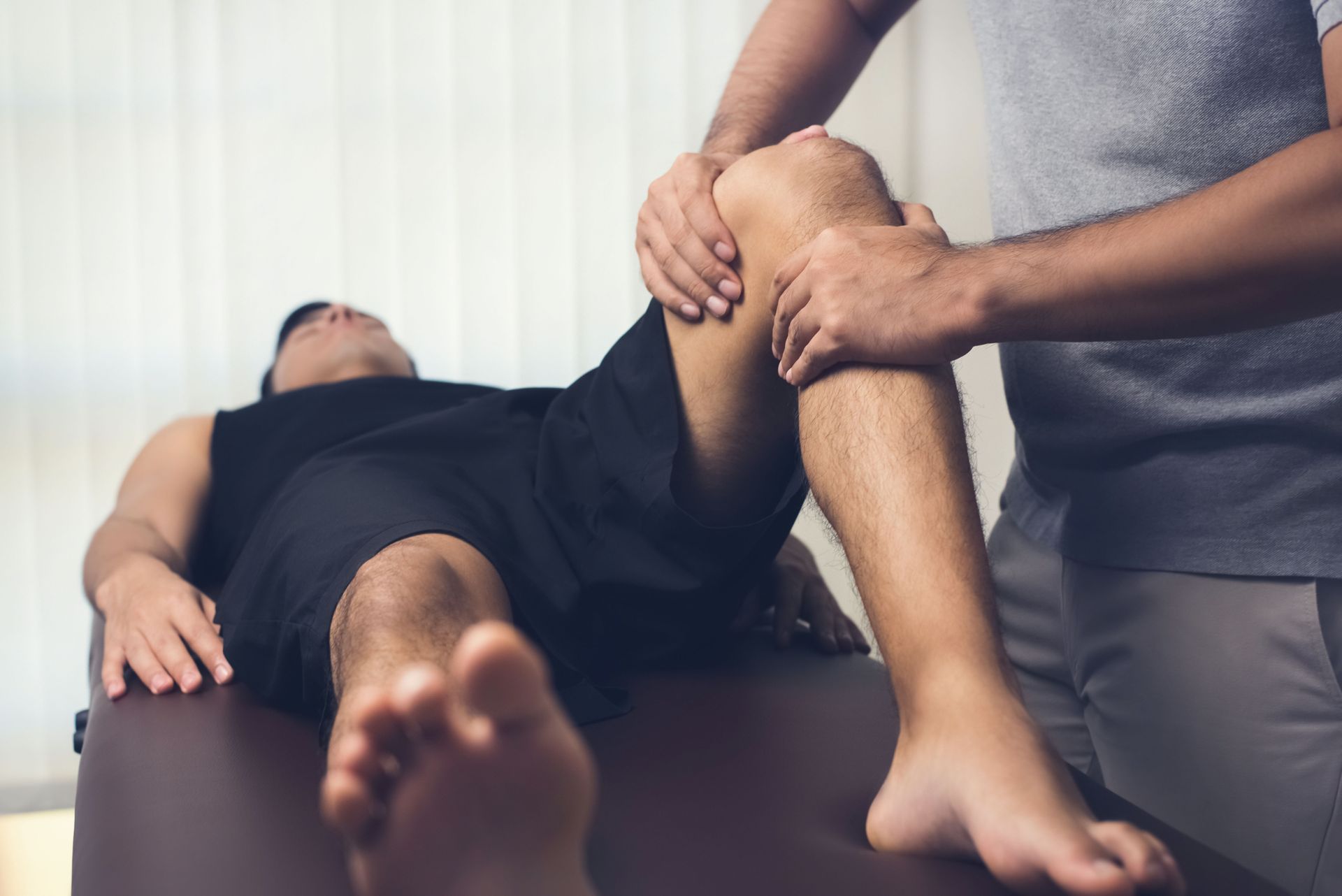
Regular wellness evaluations can identify movement limitations before they become major concerns. Many physical therapists assess posture, flexibility, balance, strength, and movement patterns to develop personalized recommendations for maintaining healthy joints. Early guidance often helps prevent future discomfort while improving overall function.
Home exercise programs provide another valuable tool for long-term success. Performing simple strengthening and flexibility exercises several times each week reinforces healthy movement patterns established during professional evaluations. Consistency often matters more than intensity when building lifelong mobility.
Finally, maintaining a positive outlook supports healthy habits. People who enjoy regular physical activity are generally more likely to continue exercising consistently over time. Choosing activities that fit your interests and lifestyle increases the likelihood of sustaining healthy routines for years to come with guidance from physical therapists when appropriate.
Keeping your joints feeling young does not require complicated routines or expensive equipment. Consistent movement, nutritious eating, quality recovery, proper body mechanics, and preventive care all contribute to healthier joints that support an active and independent lifestyle. When concerns arise,
physical therapists can provide individualized guidance to help improve mobility, reduce discomfort, and support long-term wellness.
At Back in Action Rehab, we are committed to helping you move comfortably and confidently every day. We create personalized treatment plans designed to support your goals, improve function, and keep you doing the activities you enjoy. Contact us today, and we'll work with you to build healthier habits for lasting joint health.