Kyle Borowitz |July 6, 2026
July 6, 2026
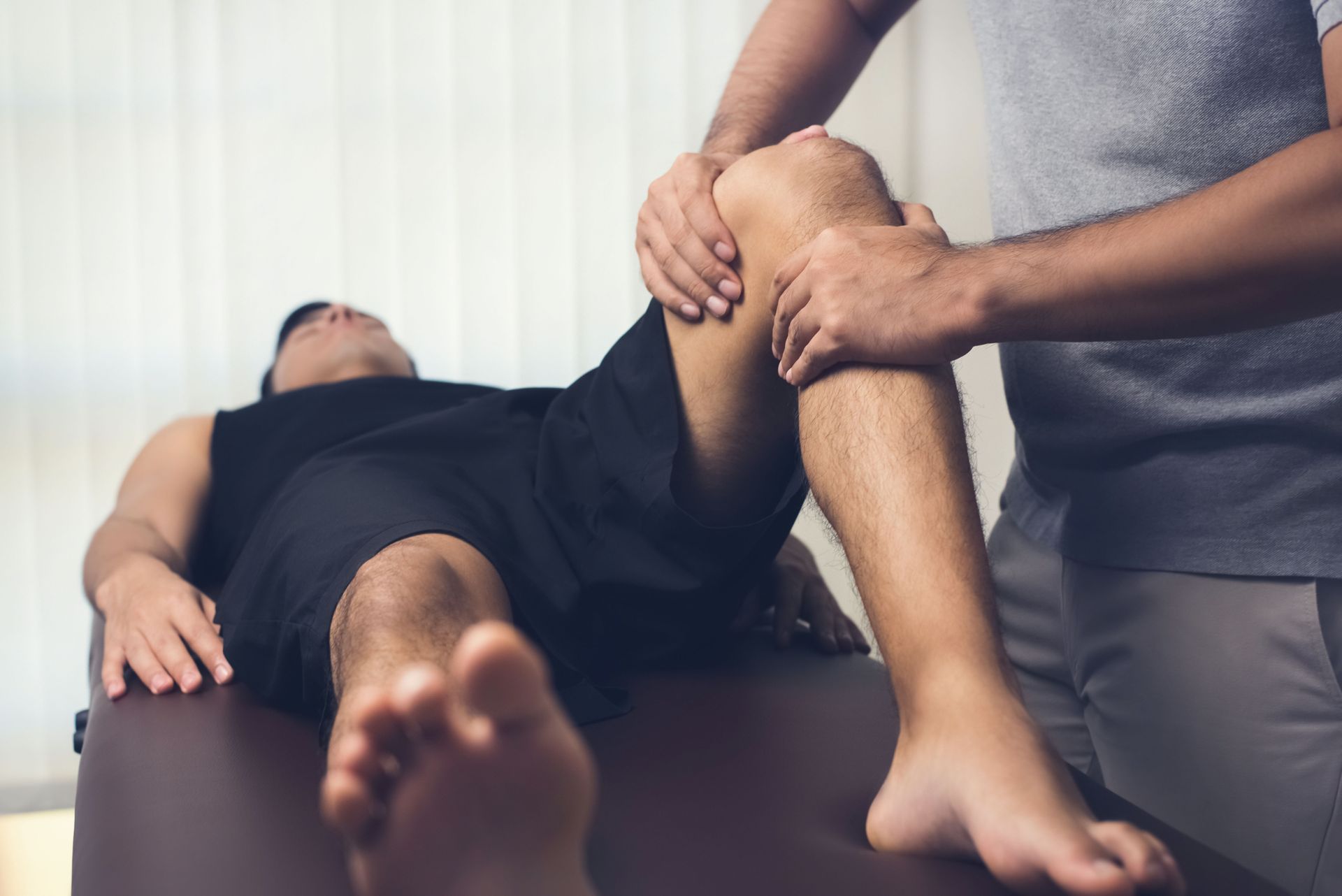
The journey of recovering from an athletic injury requires an individualized approach. Every athlete possesses a unique physical composition, performance goals, and distinct vulnerabilities requiring expert guidance. A clinical expert plays a vital role in navigating this path, ensuring that players return to their sport with enhanced resilience. Working with a dedicated sports rehab therapist allows individuals to receive care that aligns perfectly with their personal athletic ambitions.
Tailored care plans are essential because cookie-cutter routines rarely deliver optimal results for high-performance bodies. These specialized professionals blend physiological science, movement analysis, and targeted conditioning to restore peak performance. By focusing on the unique demands of an athlete's discipline, this comprehensive care model paves the way for a safe return to competitive play. Understanding this customized methodology reveals why specialized therapeutic intervention is the gold standard for modern athletic recovery.
Evaluate Your Individual Needs and Goals
The rehabilitation journey begins with a meticulous clinical evaluation designed to uncover every aspect of an athlete's physical status. During this initial phase, the sports rehab therapist conducts assessments to analyze baseline movement patterns, joint mobility, and muscular imbalances. This process frequently involves physical examinations and coordination with medical specialists to review diagnostic scans. By collecting this detailed health data, the clinical specialist gains a clear understanding of the specific injury while identifying underlying structural issues contributing to future physical vulnerabilities.
Beyond physical testing, this foundational stage requires an exploration of the athlete's daily lifestyle and overall training environment. Open discussions help establish meaningful performance milestones that keep the athlete motivated throughout the recovery process. This collaborative approach includes communicating with coaches and team medical staff to align the recovery roadmap with upcoming competitive seasons. By evaluating training history, sleep patterns, and systemic stressors, the specialist builds a holistic profile ensuring the final recovery strategy targets the whole person rather than just the isolated site of injury.
Design Your Personalized Rehabilitation Plan
Once the initial diagnostic phase is complete, the clinician creates a structured, phase-based recovery timeline that guides the athlete forward. This customized roadmap breaks down the recovery journey into progressive stages, ensuring that the physical workload increases safely over time. Within this framework, a sports rehab therapist carefully selects specific therapeutic modalities and clinical techniques to accelerate tissue healing. From manual therapy to neuromuscular stimulation, each intervention is chosen based on individual physiological responses.
Modern recovery programs also incorporate cutting-edge supportive technologies to optimize daily treatment outcomes. Integrating motion-capture analysis and real-time biomechanical data allows the clinician to make precise modifications to the physical plan. This adaptive strategy ensures that exercises remain relevant to the specific mechanical demands of the athlete's sport. By tailoring every drill to mimic competitive movements, the protocol fosters a smoother transition back to active play. Regular modifications based on direct feedback ensure that the treatment remains highly responsive to the athlete's evolving functional capacity.
Build Your Strength and Conditioning Program
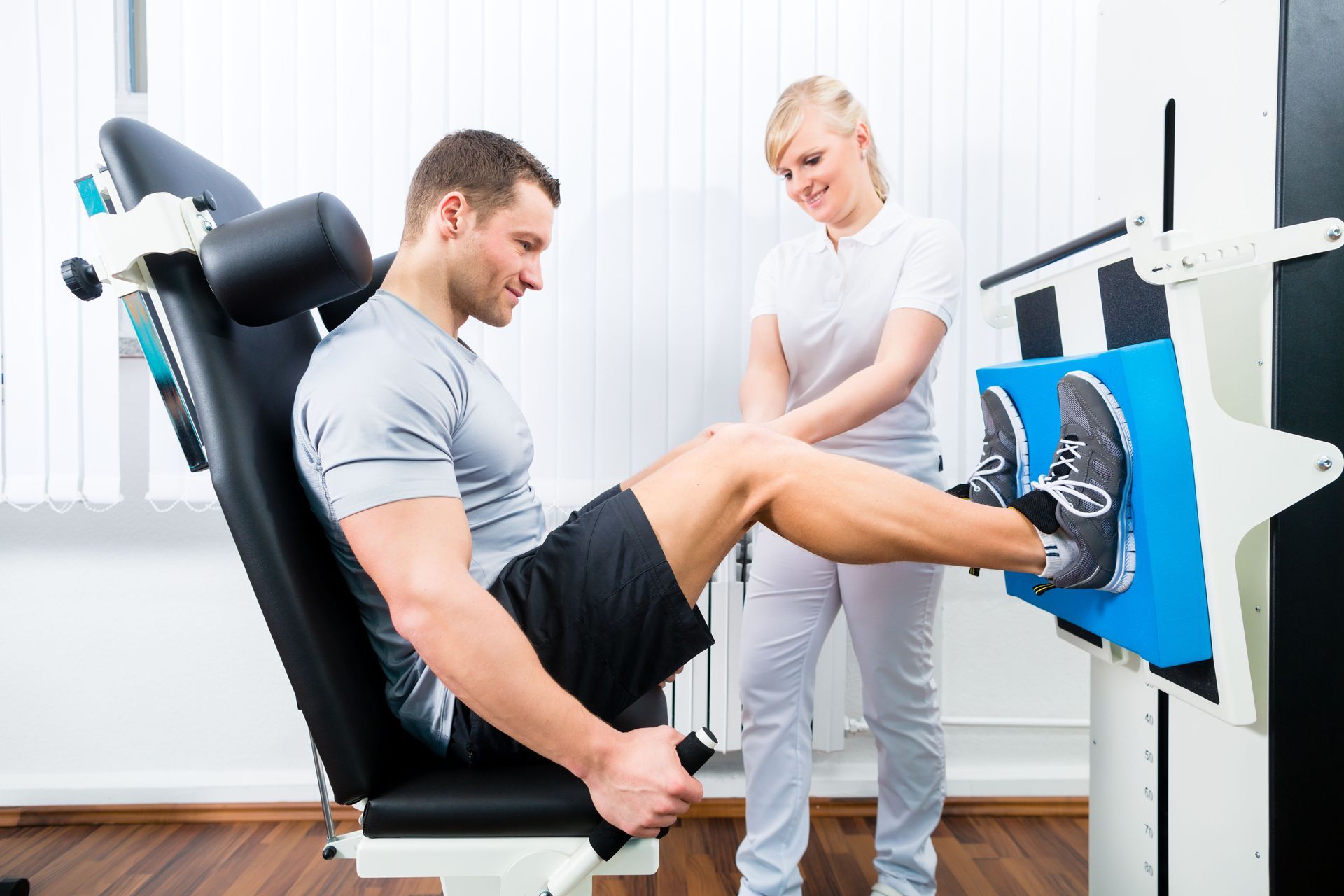
Restoring functional capacity requires a dedicated strength and conditioning regimen built around the athlete's baseline physical capabilities. The initial program design focuses on correcting muscular deficits, enhancing power output, and rebuilding localized muscular endurance safely. Exercises are balanced between compound movements and isolated tracking drills to protect joints while maximizing full-body engagement. This targeted strength progression is vital because a significant portion of athletic mishaps occur when players are underconditioned during training sessions. According to Johns Hopkins Medicine, roughly 62% of injuries in organized sports take place during practice sessions rather than competitive games.
To complement these strength gains, the program heavily integrates customized flexibility and targeted mobility work. Dedicated sessions improve joint mechanics, alleviate stiffness, and ensure that the body retains full range of motion. Simultaneously, customized cardiovascular conditioning is integrated to preserve aerobic endurance without placing excessive stress on healing tissues. A skilled sports rehab therapist monitors these conditioning variables closely, adjusting the intensity and duration of every cardiovascular session to match the athlete's current healing stage. This careful oversight ensures that the athlete maintains systemic fitness while safely protecting the injured area from unnecessary strain.
Support Your Mental and Emotional Wellbeing
True athletic recovery extends far beyond physical tissue healing, as the psychological impact of an injury can be profoundly disruptive. Clinicians perform regular psychological evaluations to monitor mental well-being, identifying signs of performance anxiety, fear of re-injury, or emotional distress. Addressing these hidden mental barriers is a core responsibility of a sports rehab therapist, who helps individuals navigate the emotional challenges of being sidelined. Structured coping mechanisms and positive self-talk routines help the athlete maintain a productive mindset throughout the rehabilitation journey.
Motivation is sustained through specialized visualization techniques and strategic goal-setting frameworks that keep the athlete focused on small victories. These mental exercises allow individuals to mentally practice their sport, preserving cognitive movement patterns and building confidence before stepping back onto the field. When complex emotional challenges arise, the clinician coordinates with qualified sports psychologists to provide comprehensive psychological support. This interdisciplinary approach ensures that the athlete develops the mental resilience required to handle competitive pressures. By treating the mind and body as an interconnected system, the recovery process prepares the athlete for a confident return to play.
Optimize Your Nutrition and Lifestyle Habits
Nutritional optimization serves as a foundational pillar in systemic cellular repair and daily energy management. The clinical specialist conducts a thorough review of the athlete's dietary habits, looking for micro or macronutrient deficiencies that could delay tissue recovery. Working alongside certified nutritionists, a sports rehab therapist helps design customized meal plans that deliver the precise caloric and nutrient distribution needed for tissue rebuilding. These strategies are personalized to accommodate individual food preferences, metabolic demands, and training schedules.
Proper hydration and evidence-based supplementation plans are also integrated to support internal cellular health and reduce recovery times. Athletes receive clear guidance on maintaining fluid balance, optimizing electrolyte intake, and using high-quality supplements to address specific systemic deficiencies. Sleep quality and overall rest patterns are evaluated to ensure the body maximizes its natural hormonal recovery cycles. The specialist monitors these lifestyle shifts consistently, making gradual updates as training demands shift. This continuous optimization helps athletes build sustainable daily habits that enhance systemic health well past the conclusion of their formal rehabilitation program.
Track Your Progress With Feedback and Technology
Modern athletic rehabilitation relies heavily on data-driven insights to ensure continuous physical improvement. Wearable fitness technology, including heart rate monitors and sophisticated tracking sensors, provides real-time data regarding physiological strain and recovery efficiency. Clinicians utilize high-definition video analysis to review movement mechanics, identifying subtle deviations in form that could cause future injuries. This objective data allows the sports rehab therapist to make precise program adjustments, removing guesswork and providing an efficient path toward restoration.
Regular progress evaluations are conducted to verify that the athlete is meeting specific functional benchmarks safely. These evaluations assess physical, physiological, and mechanical metrics to provide a comprehensive view of overall readiness. The resulting data shapes a collaborative feedback loop involving the athlete, coaching staff, and medical professionals. This open communication ensures that everyone remains perfectly aligned regarding the athlete's progress and ultimate timeline for returning to competition. By involving the athlete in these data discussions, the clinician fosters greater personal accountability, making the recovery journey a shared, successful endeavor.
A tailored rehabilitation strategy is indispensable for any athlete aiming to overcome an injury and reclaim peak physical performance. By analyzing individual goals, deploying precise technology, and offering comprehensive physical and emotional support, specialized clinicians transform the recovery experience. Turning to a qualified sports rehab therapist ensures that your return to competition is built on a scientifically sound foundation. Contact us at Back in Action Rehab today to rebuild your strength and achieve your performance goals.