Access to physical therapy and rehabilitation services plays a critical role in supporting recovery and preventing further injury, yet demand for these services continues to outpace availability. According to PR Newswire, nearly half of physical therapy respondents report that their capacity cannot meet local demand. This growing gap highlights the importance of effective and accessible local sports rehab for athletes and active individuals who rely on consistent care to recover safely and maintain physical function.
In this article, we explore the vital role of sports rehabilitation in preventing more injuries among athletes and active individuals. Through personalized treatment plans, structured exercise programs, and guided rehabilitation strategies, sports rehab services offer essential support for recovery and long-term physical health. Understanding how these services operate helps illustrate their role in supporting safe return to activity and ongoing performance.
Core Overview of Local Sports Rehab
Define and Overview
Sports rehab focuses on supporting recovery and functional improvement for individuals recovering from injuries or dealing with movement limitations. These services are designed to address a wide range of physical conditions through structured, individualized care plans. Each program is built around the specific needs of the individual, ensuring that rehabilitation is both relevant and progressive.
Rehabilitation typically begins with a comprehensive evaluation to understand the patient's condition, movement abilities, and goals. Based on this assessment, therapists develop a plan that may include therapeutic exercise, manual therapy techniques, and activity-specific training. The goal is to restore mobility, strength, and overall function in a safe and progressive manner.
Improve Access to Local Facilities
Having access to nearby rehabilitation services supports consistent participation in therapy sessions and follow-up care. This accessibility helps individuals stay engaged in their recovery programs and maintain momentum throughout the rehabilitation process. Regular attendance contributes to more structured progress.
Local facilities also provide opportunities for ongoing interaction with therapists, allowing for adjustments to treatment plans as progress is made. This continuous feedback loop helps ensure that exercises and interventions remain appropriate for the individual's current condition and goals. It also supports a more responsive and adaptive approach to care.
Effective Methods of Local Sports Rehabilitation for Reducing Injury Risks
Customize Treatment Plans
Rehabilitation programs are tailored to the individual's specific condition, activity level, and goals. These plans are developed based on initial evaluations and are adjusted over time as progress is made. This ensures that care remains aligned with evolving needs throughout the recovery process.
Customized programs often include a combination of therapeutic exercises, manual therapy techniques, and movement-based activities. By addressing the unique needs of each individual, these plans aim to improve strength, flexibility, coordination, and overall function. Each component works together to support balanced physical development.
Assess Movement and Function
Movement assessment and functional evaluation are used to understand how the body performs during various activities. Therapists observe movement patterns, identify limitations, and evaluate how different parts of the body work together. These insights help guide the direction of care.
These assessments help guide the development of treatment strategies that focus on improving mobility, strength, and coordination. By identifying areas that may benefit from targeted intervention, therapists can incorporate exercises and techniques that support more efficient and controlled movement. This structured approach ensures interventions are purposeful.
Common Techniques in Local Sports Rehab
Apply Manual Therapy Techniques
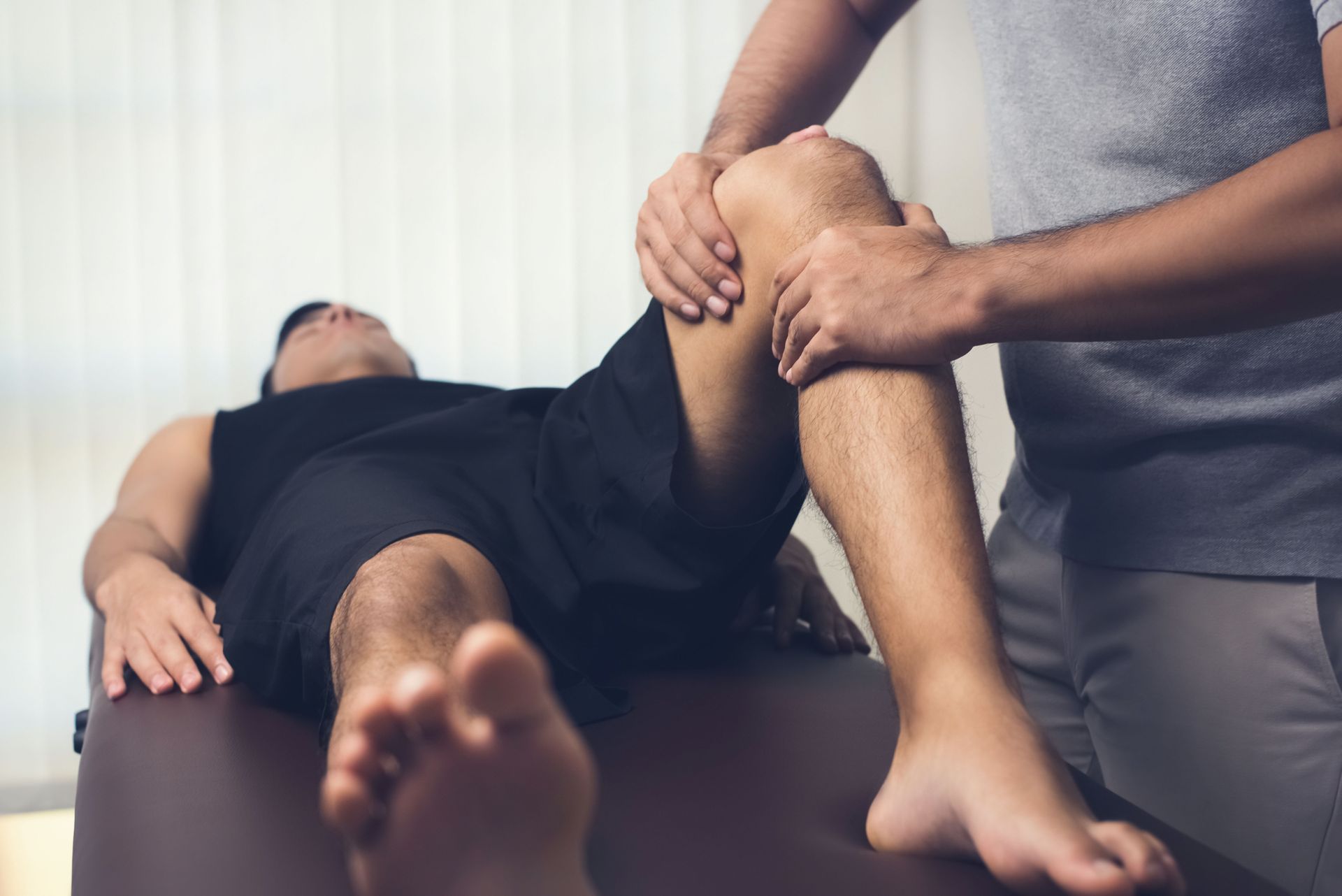
Manual therapy techniques involve hands-on methods used to support mobility and tissue function. These techniques are applied by therapists to help address restrictions in muscles and joints. They are selected based on the individual's specific needs and condition.
Common approaches include soft tissue mobilization and joint mobilization. These methods are used to improve movement, reduce stiffness, and support circulation in targeted areas of the body. Each technique is applied with the goal of improving overall function.
Perform Therapeutic Exercises
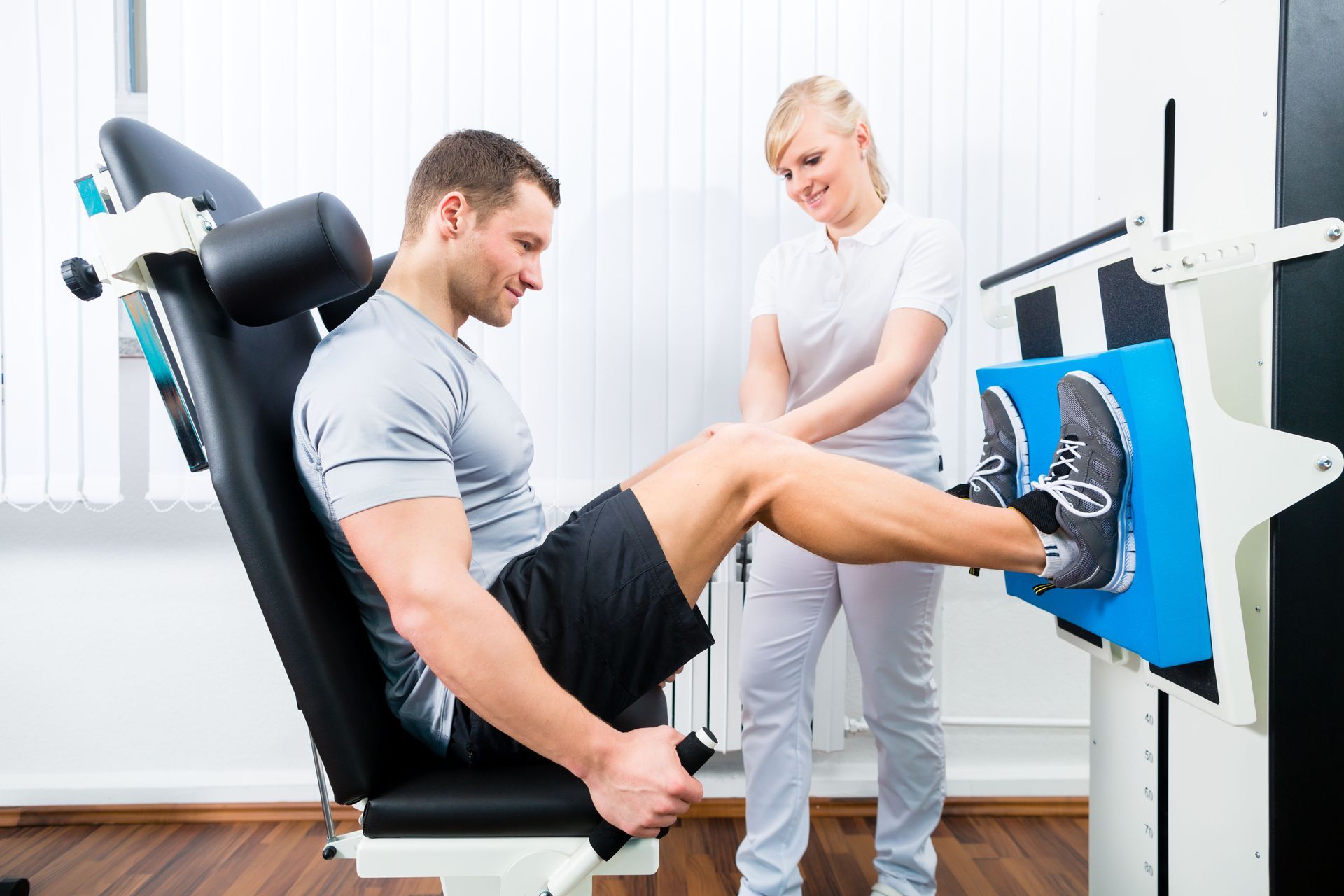
Overall, therapeutic exercises are a core component of rehabilitation programs. These exercises are designed to improve strength, flexibility, balance, and coordination. They are prescribed based on the individual's condition and recovery goals.
Exercise programs are tailored to the individual and may focus on specific muscle groups or movement patterns. Strengthening exercises help rebuild capacity in affected areas, while flexibility and mobility exercises aim to restore range of motion. This combination supports overall physical function.
Essential Role of Physical Therapists in Local Sports Rehab
Evaluate and Assess
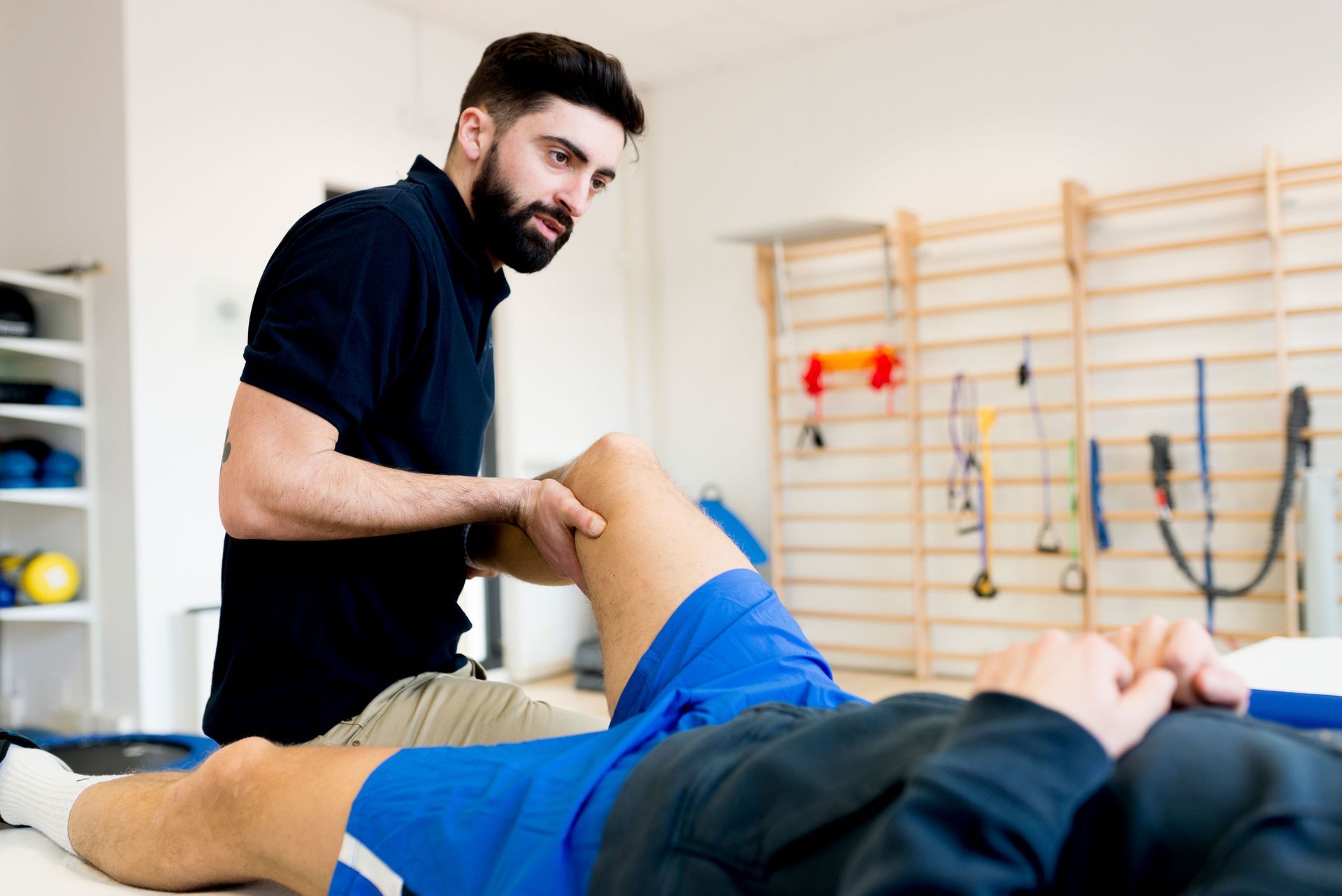
Physical therapists conduct evaluations to better understand an individual's condition and functional abilities. These assessments typically include reviewing history, observing movement, and performing physical tests. The information gathered helps guide the direction of care.
Based on the evaluation, therapists create individualized rehabilitation plans that outline appropriate interventions and exercises. These plans are designed to address specific limitations while supporting gradual progress toward improved function. Each plan is structured to align with the individual's needs.
Educate Patients
Education is an important part of the rehabilitation process. Therapists provide guidance on proper movement techniques, body mechanics, and strategies to support recovery. This information helps individuals better understand how to engage in their care.
This education helps individuals better understand how to perform exercises correctly and how to apply safe movement practices in daily activities. By learning how to manage their physical activity, individuals can reduce unnecessary strain and support their recovery process. Education also reinforces consistency.
Adaptive Support in Local Sports Rehab for Athletes of All Levels
Tailor Approaches for Different Activities
Rehabilitation programs are adapted to reflect the specific demands of an individual's activities. Therapists consider the types of movements, intensity, and physical requirements involved when designing treatment plans. This ensures relevance to real-world activity.
This approach ensures that exercises and interventions are relevant to the individual's lifestyle or sport. By aligning rehabilitation with real-world movement demands, individuals can better prepare for returning to their activities safely. It also supports smoother transitions back to activity.
Support Non-Competitive Individuals
Sports rehab is also beneficial for individuals who engage in recreational or general fitness activities. These individuals may experience similar physical challenges, including muscle strains, joint discomfort, or overuse issues. Rehabilitation supports recovery in these situations as well.
Rehabilitation programs provide structured support to address these concerns while helping individuals maintain an active lifestyle. Through guided exercises and movement training, individuals can continue participating in their preferred activities with improved physical awareness and control. This promotes safer participation.
Long-Term Benefits of Local Sports Rehab
Improve Function and Performance
Ongoing participation in rehabilitation can contribute to improved strength, mobility, and movement efficiency. These improvements support better physical performance in daily activities and recreational pursuits. Consistent effort plays a key role in maintaining progress.
Structured programs help individuals build and maintain physical capacity over time. As strength and coordination improve, individuals are better equipped to handle physical demands with reduced risk of strain. This supports more sustainable activity levels.
Implement Injury Prevention Strategies
Rehabilitation programs incorporate strategies that help reduce the likelihood of future injuries. These strategies often include targeted exercises, movement training, and guidance on safe activity practices. Each element is designed to reinforce proper function.
By addressing underlying limitations and reinforcing proper movement patterns, individuals can reduce stress on vulnerable areas of the body. This proactive approach supports continued participation in physical activities with greater confidence and control. It also helps maintain consistency in performance.
Back In Action Rehab provides these types of rehabilitation services through a comprehensive approach that includes physical therapy, occupational therapy, manual therapy techniques, therapeutic exercise, and functional evaluation to support recovery and long-term movement health. Our team focuses on delivering structured care plans that align with individual needs and goals while supporting safe progress through each stage of rehabilitation. By combining evaluation, treatment, and education, our approach is designed to help individuals improve function and maintain physical well-being over time.