Kyle Borowitz |September 1, 2026
September 1, 2026
Whether you're a weekend warrior chasing a personal best or a competitive athlete chasing a championship, injuries are an unfortunate part of the game. Bumps, strains, and tears can sideline anyone, and the numbers back this up: according to the National Safety Council, 4.4 million people were treated in emergency departments in 2024 for injuries related to sports and recreational equipment. That's not a small statistic tucked away in a report—it represents millions of individuals whose training, competition, and daily lives were disrupted, sometimes for weeks or months at a time.
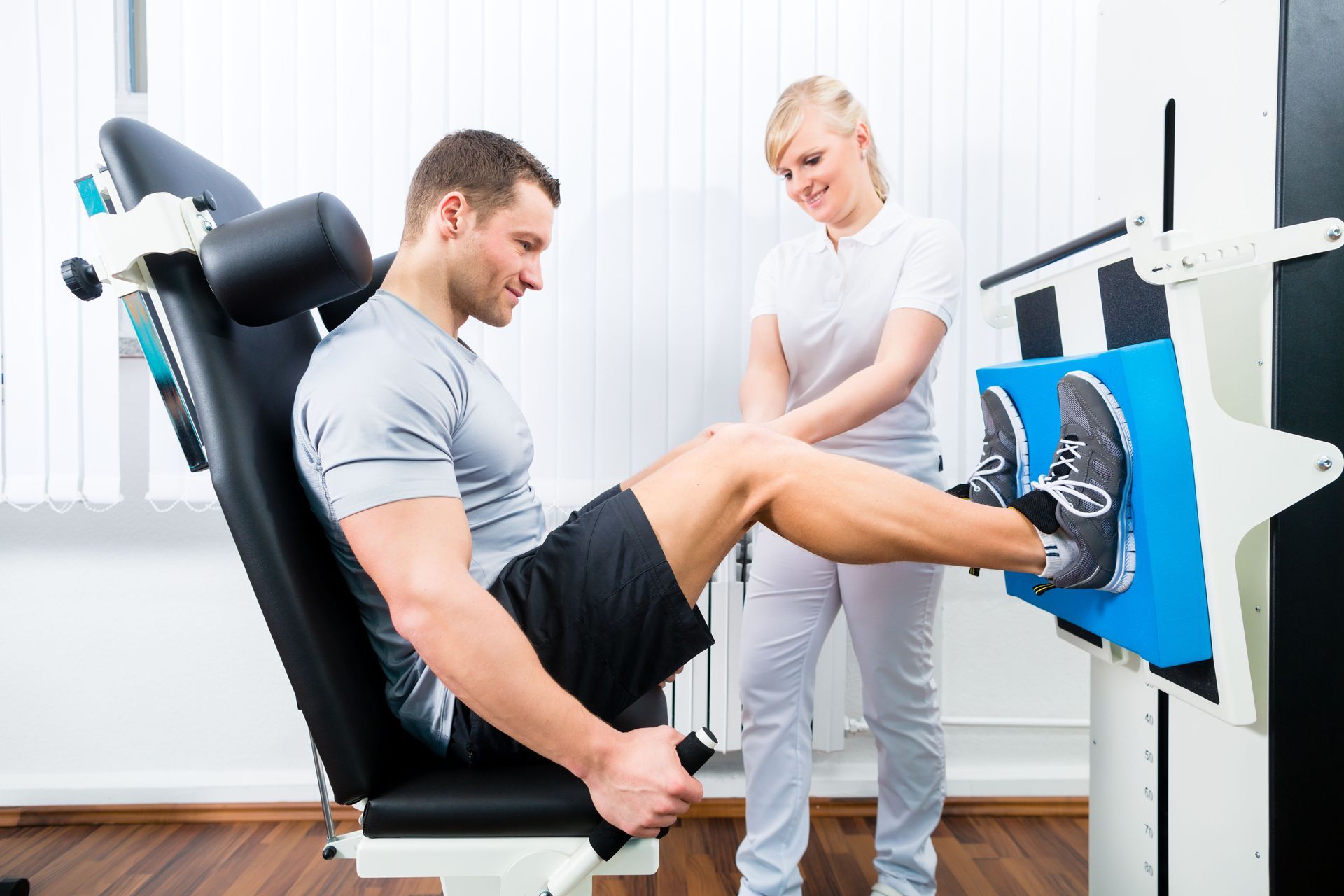
The good news is that most sports injuries, even serious ones, respond well to proper treatment and a structured recovery plan. The key word there is "proper." Too many athletes try to push through pain, rely on generic advice from the internet, or rush back into activity before their bodies are ready, which often leads to re-injury. This is where sports rehab services become essential. A qualified rehabilitation team doesn't just treat the injury in front of them; they build a personalized plan that addresses the root cause, restores strength and mobility, and prepares the body to handle the demands of sport again.
In this post, we'll walk through five of the most common sports injuries, explain why they happen, and show how sports rehab services can make the difference between a slow, incomplete recovery and a confident return to the activities you love. Along the way, we'll also highlight why partnering with trained professionals, rather than attempting to self-diagnose or self-treat, tends to produce far better long-term outcomes for athletes of every age and skill level.
1. Ankle Sprains Are Frequent but Rarely Simple
Ankle sprains are among the most common injuries across nearly every sport, from basketball and soccer to trail running and tennis. They typically occur when the foot rolls or twists awkwardly, stretching or tearing the ligaments that stabilize the joint. While many people assume a sprain is a minor injury that heals on its own with rest, ice, and a few days off, the reality is more complicated. Without proper rehabilitation, ankle sprains frequently lead to chronic instability, recurring sprains, and long-term weakness.
This is precisely why sports rehab services matter so much for ankle injuries. A rehabilitation professional can assess the severity of the sprain, design a progressive program of balance and proprioception exercises, and gradually reintroduce the kind of lateral movement and cutting that sports demand. Skipping this step is one of the main reasons athletes end up spraining the same ankle again and again.
2. Tennis Elbow Reflects Overuse More Than a Single Event
Despite its name, tennis elbow (lateral epicondylitis) affects far more than tennis players. It shows up in golfers, weightlifters, painters, and even office workers who spend hours typing. The condition develops gradually, as repetitive gripping and wrist motions place stress on the tendons attached to the elbow, eventually causing inflammation and pain.
Because tennis elbow is an overuse injury, treating it effectively requires more than rest. Sports rehab services typically combine manual therapy, targeted stretching, and progressive strengthening exercises to correct the underlying movement patterns that caused the strain in the first place. Without this kind of guided approach, the pain often returns as soon as the person resumes their normal activities, since the root mechanical issue was never addressed.
3. Rotator Cuff Injuries Demand a Careful, Guided Approach
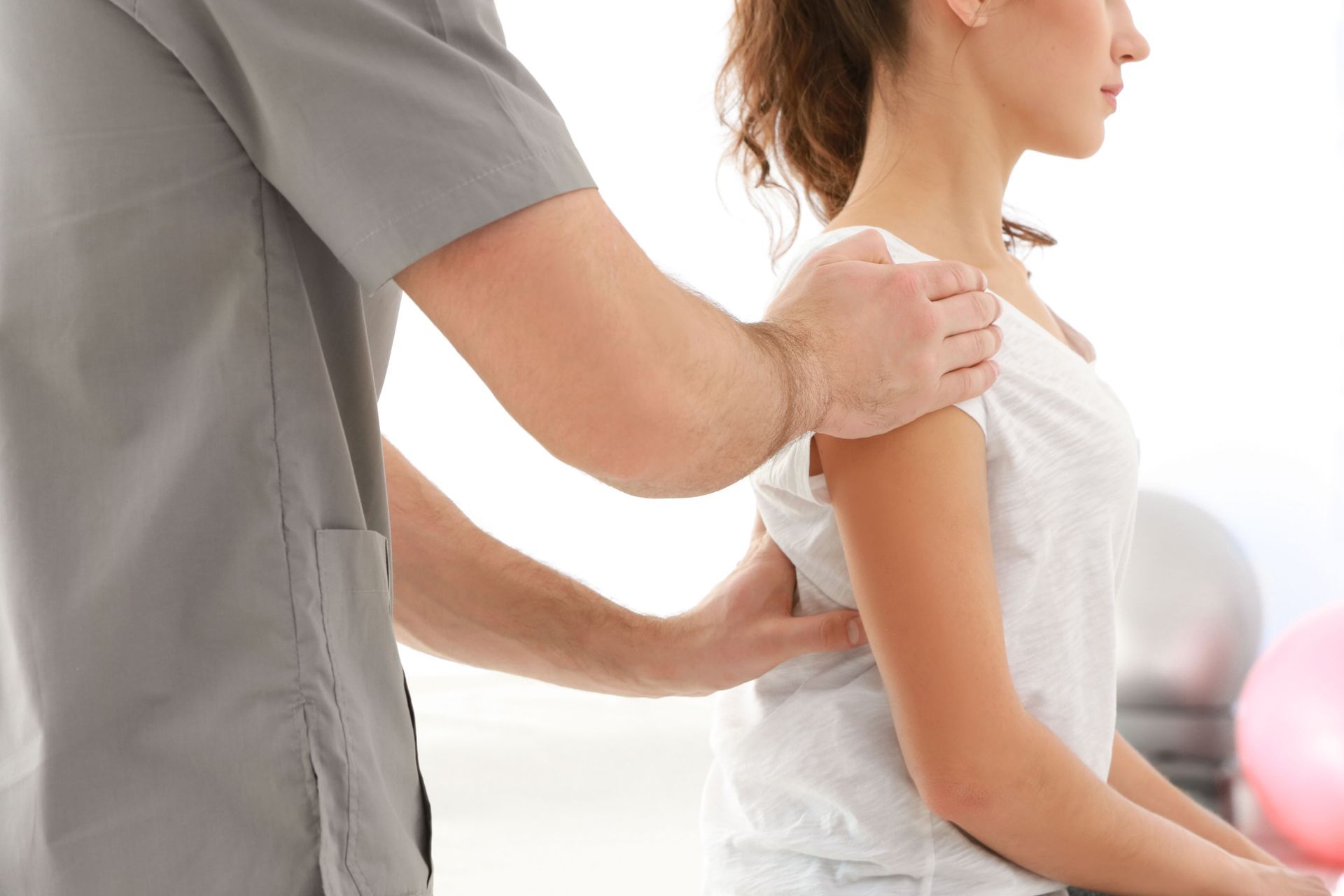
The shoulder is one of the most mobile joints in the body, which also makes it one of the most vulnerable to injury. Rotator cuff strains and tears are especially common among swimmers, baseball and softball players, volleyball athletes, and anyone whose sport involves repetitive overhead motion. Symptoms can range from a dull ache to sharp pain that limits the ability to lift the arm at all.
Rotator cuff injuries are a textbook example of why professional guidance is so important. The shoulder's complex mechanics mean that a poorly designed recovery plan can actually worsen instability or lead to compensation injuries elsewhere, such as the neck or lower back. Sports rehab services address this by carefully sequencing exercises that restore range of motion first, then rebuild strength in the surrounding stabilizing muscles, ensuring the shoulder can handle the specific demands of the athlete's sport before they return to full activity.
4. Shin Splints Signal a Need to Reassess Training Load
Shin splints, medically known as medial tibial stress syndrome, are a common complaint among runners, dancers, and athletes in sports that involve repetitive running or jumping. The condition causes pain along the inner edge of the shinbone and often develops when training volume increases too quickly, footwear is inadequate, or biomechanics place excessive stress on the lower leg.
While shin splints can sometimes be managed with rest alone, recurring cases usually point to an underlying issue that needs professional attention. Sports rehab services can evaluate gait, foot mechanics, and training habits to identify what's driving the problem, then create a modified activity plan alongside targeted stretching and strengthening exercises for the calves and shins. This kind of individualized assessment is difficult to replicate through generic online advice, which is one more reason working with trained professionals pays off in the long run.
5. ACL Tears Require Extensive, Structured Rehabilitation
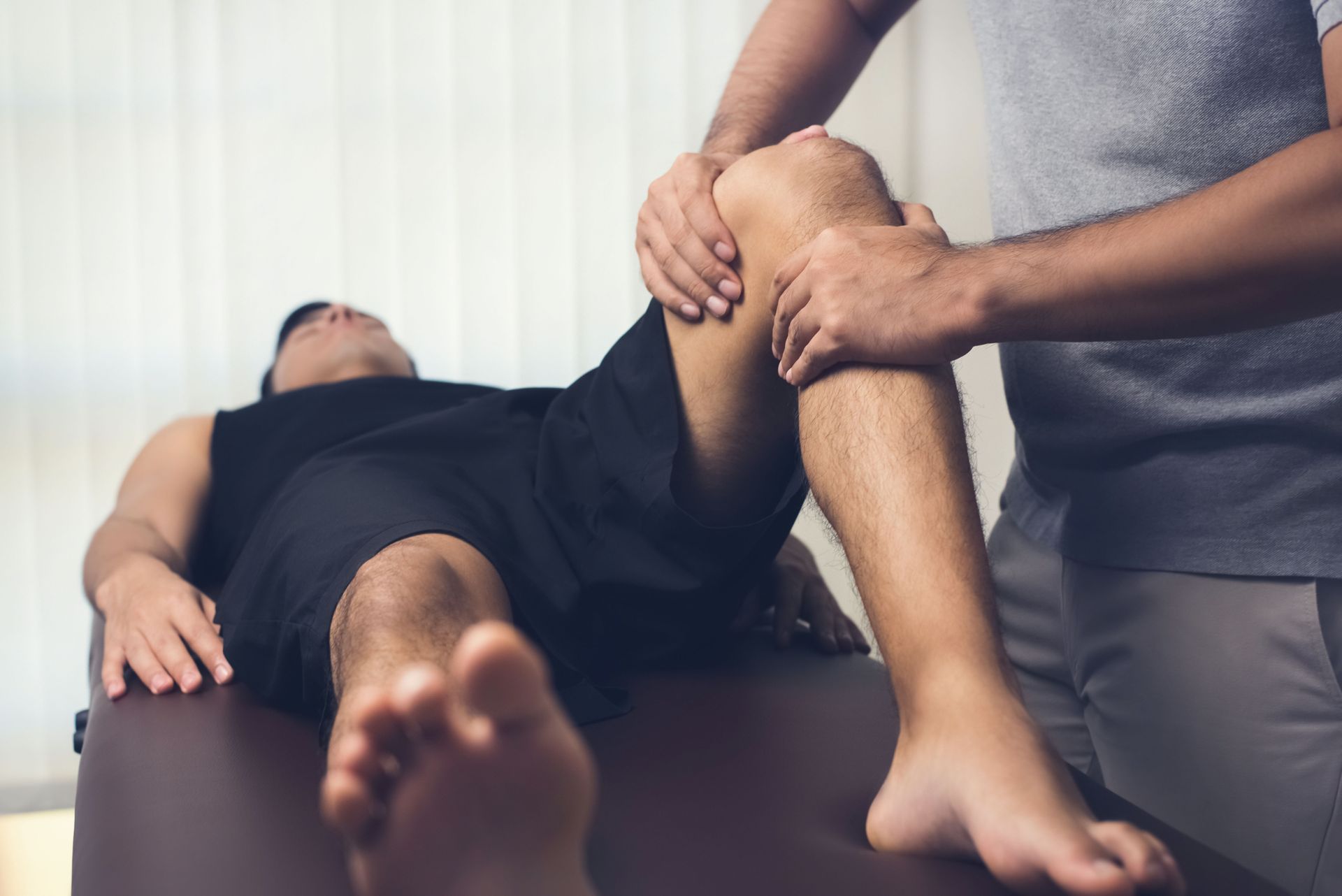
Few injuries strike fear into athletes quite like a torn ACL (anterior cruciate ligament). Common in sports that involve sudden stops, pivots, or changes in direction—such as soccer, basketball, and football—an ACL tear can sideline an athlete for many months, whether or not surgery is required. The ligament plays a critical role in knee stability, and recovering full function requires a long, carefully structured process.
This is one of the clearest cases where sports rehab services are not optional but essential. Recovery typically unfolds in phases: reducing swelling and restoring range of motion, rebuilding strength in the quadriceps and hamstrings, and finally progressing to sport-specific drills that test agility, balance, and confidence in the joint. Rushing any of these phases dramatically increases the risk of re-tearing the ligament or injuring the opposite knee. Working closely with a rehabilitation professional throughout this entire timeline gives athletes the best chance of returning to their sport at full strength, rather than returning too early and risking a repeat injury.
Why Professional Guidance Makes All the Difference
Across all five of these injuries, one theme keeps surfacing: recovery is rarely as simple as resting and waiting. Sports rehab services bring together clinical knowledge, hands-on assessment, and individualized programming that generic advice simply cannot match. A professional rehabilitation team can identify the specific factors contributing to an injury, whether it's a strength imbalance, a movement pattern flaw, or a training schedule that's too aggressive, and build a plan that addresses those factors directly.
Just as importantly, working with professionals provides accountability and structure. It's easy to skip exercises, return to activity too soon, or ignore warning signs when there's no one guiding the process. Sports rehab services provide that guidance every step of the way, adjusting the plan as progress is made and catching potential setbacks before they become serious problems. This kind of ongoing oversight is difficult to replicate on your own, no matter how motivated or disciplined you are, which is exactly why professional support remains such a valuable part of any recovery journey.
Sports injuries are common, but they don't have to derail an athlete's goals for good. From ankle sprains and tennis elbow to rotator cuff strains, shin splints, and ACL tears, the path to a full and lasting recovery almost always runs through professional care. Sports rehab services give athletes at every level the tools, structure, and expertise needed to heal properly, rebuild strength, and return to their sport with confidence rather than lingering doubt.
If you're dealing with a sports-related injury or want to make sure you recover the right way, we're here to help. At Back in Action Rehab, we work with athletes of every level to design personalized recovery plans that address the root cause of an injury and get you moving forward safely. Reach out to us today to schedule an evaluation and take the first step back to the activities you love.